


![Ghostbusters 4: Release Date Confirmed | All You Need to Know! [2022]](https://marketresearchjournals.com/wp-content/uploads/2022/10/MichiganSportsZone.com-59-150x150.jpg "Ghostbusters 4: Release Date Confirmed | All You Need to Know! [2022]")



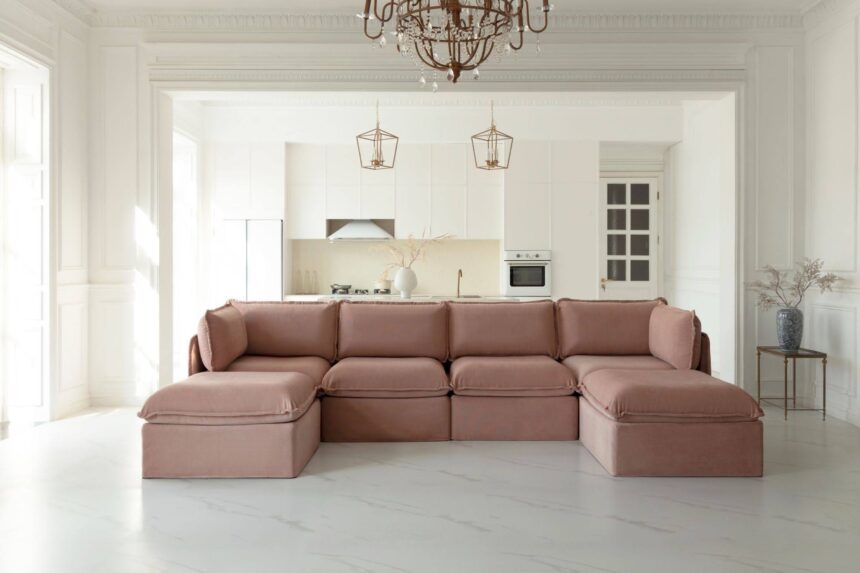
The furniture category has worked in a familiar way for a long time. Sofas are often built to look good on a showroom floor, sold through layers of retail, and treated as fixed pieces that owners protect rather than use freely. Anabei was built on a different set of assumptions.
This article compares Anabei to the traditional furniture model, feature by feature. The comparison stays at the level of design approach rather than naming individual competitors, so the contrast is about how furniture is made, sold, cleaned, and used.
What Sets Anabei Apart From Conventional Furniture
The traditional model often optimizes for appearance and the point of sale. Anabei optimizes for how furniture is used after purchase, which leads to different decisions about covers, materials, structure, and configuration.
That shift in priorities is the heart of the comparison. Anabei reviews often focus on washable covers, modular layouts, performance fabrics, custom comfort and powder-coated steel frames because those are the features that shape ownership after delivery. Anabei’s washable, modular approach treats daily use, cleaning, and change as normal parts of ownership rather than problems to work around later.
Washability: A Break From the Traditional Model
The clearest contrast is washability. Many conventional sofas use upholstery that cannot be fully removed, which can turn a spill into a stain, a professional cleaning issue, or a step toward early replacement.
Anabei reverses that model. Both the cushion covers and the frame covers are designed to come off and go into a standard washing machine. With Anabei’s performance-first design, the after-spill experience becomes a cleaning process built into the product rather than an emergency workaround.
This difference matters because washable furniture changes how a household can use its seating. A sofa does not need to be treated as fragile in order to stay presentable. It can be maintained through a regular home routine.
Materials Built for Use, Not Just Display
Traditional furniture often reserves more durable materials for higher price tiers or special performance collections. Anabei applies performance upholstery and powder-coated steel framing as central product features.
This changes what a buyer can evaluate. Where conventional pieces may prioritize how fabric looks in a catalog or showroom, Anabei emphasizes how materials perform against liquids, stains, friction, and daily wear.
For shoppers comparing Anabei sofa reviews, this materials-first approach is one of the clearest distinctions. The product story is not built around vague claims of quality. It is built around specific components that can be assessed over time.
Steel Frames vs. Conventional Construction
Frame construction is where the comparison becomes more structural. Many traditional sofas can develop problems when frame materials loosen, sag, or lose alignment after repeated use. Those issues often become visible only after the purchase has been in the home for months or years.
Anabei uses powder-coated steel for structural support. A steel frame addresses one of the common failure points in upholstered furniture: the hidden structure beneath the cushions and covers.
That does not mean any sofa is immune to wear. It does mean Anabei gives buyers a specific durability feature to evaluate. For review-stage shoppers, that is more useful than a broad statement about sturdy construction.
Modularity vs. the Fixed Sofa
A traditional sofa is usually a fixed object. It fits one room in one arrangement, and when a household moves or changes, the piece may no longer work. Anabei sofas are modular, built from sections that can rearrange, expand, and adapt.
This reframes the purchase itself. A conventional sofa is often tied to a single room, while machine-washable furniture built on a modular system has more ways to remain useful when a household changes.
That is why Anabei sectional reviews often focus on configuration. Sectionals carry a larger spatial commitment, and modularity gives buyers more control over shape, scale, and long-term fit.
The Direct-to-Consumer Difference in Price
Price reflects the sales model as much as the product. Traditional furniture often moves through retail layers that add markup at each step. Anabei sells directly to consumers, which removes the traditional retail layer from the buying process.
The result is design-forward furniture positioned at a more accessible price point, with sofas starting at $699, while the brand retains control over customization, lead times, and quality standards. For buyers comparing value, the direct model changes the equation beyond the product itself.
The buying experience shifts as well. Without a retail floor between the buyer and the maker, questions about configuration and care connect more directly to the company behind the product rather than to a retailer working across many unrelated brands.
Customizing Comfort, Configuration, and Care
Traditional furniture often asks buyers to choose from fixed configurations, limited stock, or showroom arrangements. Anabei’s modular system gives buyers more control over configuration from the beginning, and that control extends to how the piece actually feels to sit on.
Comfort is part of that customization. Buyers can choose between two seat inserts, both made from high-resilience, CertiPUR-US certified foam, so the feel of the sofa can be matched to preference rather than accepted as fixed. Because that foam is designed to spring back to its original shape, the choice shapes both comfort and how well the cushions resist sagging over time.
That control matters after purchase as well. A modular sofa or sectional can be adjusted as room needs change. Covers can be removed for washing. Components can support a longer ownership cycle because the product is designed around replacement, care, and adaptation.
For shoppers reading Anabei couch reviews, that flexibility is part of the ownership value. The product is not only purchased once and then protected from use. It is built to be customized for comfort, cleaned, rearranged, and maintained.
Reading Anabei Reviews Against the Traditional Standard
The most useful comparison is to read reviews with the traditional furniture model as the baseline. The relevant question is how each product type responds to the same situations: a spill, a move, a pet, a growing household, or years of use in the same room.
Read this way, Anabei reviews describe a series of departures from the standard furniture experience. Washable covers address surface messes. Powder-coated steel frames address structure. Modular sections address changing rooms. Direct-to-consumer operations address pricing and customization.
The comparison is less about one brand defeating another and more about whether a performance-first approach suits a household’s needs. A feature matters most when it changes the ownership experience in a practical way.
What the Feature-by-Feature Comparison Shows
Anabei’s design approach is clearest when placed next to the traditional furniture model. Conventional sofas often ask owners to protect the piece from ordinary use. Anabei builds cleaning, modularity, and daily durability into the system itself.
The strongest comparison points are concrete: removable machine-washable covers, performance upholstery, powder-coated steel frames, modular configurations, and direct-to-consumer accessibility. Those features give review-stage shoppers a practical way to evaluate whether the brand’s approach fits families, pet owners, and design-conscious homeowners.
That is the central distinction. Anabei is not only offering a different style of sofa. It is offering a different ownership model, one built around furniture that can be used, cleaned, reconfigured, and kept in service over time.
About Anabei
Anabei is a direct-to-consumer furniture brand specializing in machine-washable, modular sofa and sectional systems built on powder-coated steel frames. Operating under parent company CABA Design, the brand applies established expertise in design, manufacturing, and supply chain operations to deliver performance-focused seating at an accessible price point. Its specialty is durable, family- and pet-friendly furniture engineered for everyday use, with removable covers and configurable modules that support long-term ownership. Readers can explore the current Anabei furniture collection to compare the brand’s approach with a conventional purchase.
Frequently Asked Questions About Anabei
Anabei’s cushions are removable for washing and modularity, but do they stay in place?
Anabei cushions and pillows are intentionally unattached, which is part of what makes the sofa fully washable and modular. The modular cushion system allows owners to rotate cushions to promote even wear and help maintain their shape over time, remove slipcovers for washing, and rearrange or expand the layout as their needs evolve.
Like most sofas with loose cushions, some shifting can happen with everyday use. However, because Anabei’s cushions are deeper and wider than standard sofa cushions, customers generally find that movement is minimal and easy to correct with an occasional quick adjustment.
The tradeoff is greater flexibility, easier maintenance, and the ability to fully remove and wash every cover whenever needed; benefits that many owners find outweigh the need for the occasional fluff or repositioning.
How well does Anabei hold up in homes with kids and pets?
Families with kids and pets are one of Anabei’s core customer groups.
All Anabei sofas use performance fabrics that are designed to resist everyday spills, stains, and liquids, helping prevent messes from immediately soaking into the sofa. Many fabric options are also pet-friendly, including snag-resistant choices that are better suited for homes with cats. Perhaps the biggest advantage is washability. Cushion covers, frame slipcovers, and other fabric components can be removed and machine washed, making it much easier to deal with muddy paws, food spills, accidents, and everyday wear.
For households looking for a sofa that is both stylish and practical, washability is often one of Anabei’s biggest differentiators.
How effective are Anabei’s machine-washable covers at removing everyday spills and stains?
All Anabei fabrics are designed to be machine washable. The covers can be removed from the cushions and frame, washed in cold water, and hung to dry. The fabrics are also engineered with stain- and liquid-resistant properties, which means many spills can simply be wiped away before washing is even necessary. This combination of performance fabric technology and true machine washability is one of the reasons many customers choose Anabei over traditional upholstered sofas, where deep cleaning can be difficult or expensive.
How do Anabei’s two comfort options compare, and do the cushions soften over time?
Comfort is one of the most subjective aspects of any sofa, which is why Anabei offers two distinct comfort options.
Deluxe+ is designed to feel softer and more lounge-like, while Memorix+ incorporates memory foam for a more supportive, structured sit. Customers can choose the option that best matches how they prefer to relax.
Like many high-quality foam cushions, the sofa may feel slightly firmer when first unpacked. Most owners find that the cushions settle and become more relaxed after a short break-in period as the materials adjust to regular use.
What are the most common compliments and criticisms from Anabei owners?
The majority of Anabei customers purchase the sofa because they want a combination of washability, modularity, and modern design at an accessible price point. Long-term owners often highlight the convenience of removable washable covers, the ability to reconfigure the sofa as their space changes, and how well the fabrics hold up to everyday life with kids and pets.
As with any sofa brand, not every customer has the same preferences. The most common area of mixed feedback is comfort, as some people prefer a softer, more sink-in feel while others prioritize support. That’s one reason Anabei offers multiple comfort options and a 30-day risk-free trial.
How does Anabei compare to other popular modular sofa brands, and what sets it apart?
The right sofa depends on which features matter most to you. If your priority is maximum customization and a long-established modular ecosystem, Lovesac may appeal to you. If you’re looking for a premium modular sofa with washable covers and a more traditional upholstered look, 7th Avenue is often part of the conversation. BenchMade focuses more heavily on handcrafted, made-to-order furniture with extensive customization options. Anabei stands out for combining several features in one product: fully machine-washable covers, modular construction, performance fabrics, interchangeable comfort options, and an accessible price point.
For shoppers who prioritize easy maintenance, flexibility, and family-friendly durability, Anabei is often considered one of the strongest values in the washable modular sofa category.