






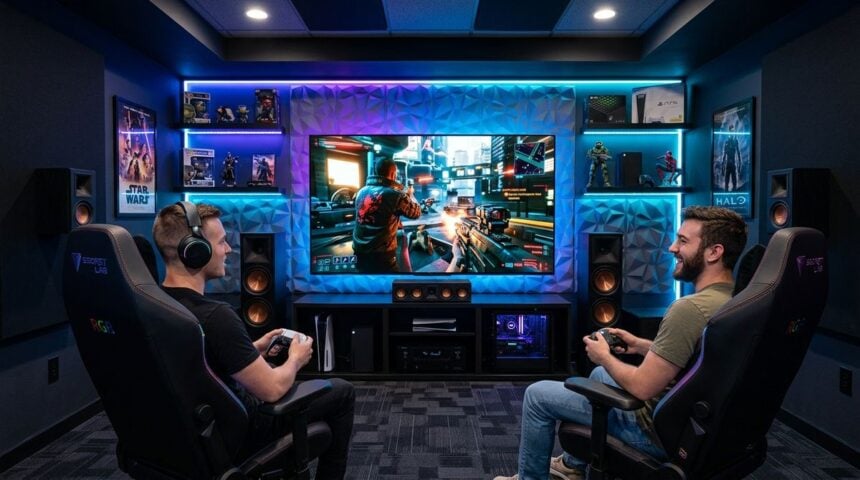
Commercial recreation venues, boutique family centers, and hospitality spaces frequently search for ways to maximize secondary square footage without redesigning their core business. Introducing a private media and interactive entertainment suite provides a steady source of reserved group traffic, appealing to social clubs, birthday gatherings, and friendly weekend tournaments. While open-floor arcade machines or shared console setups create general foot traffic, an enclosed lounge gives patrons an intimate, premium environment where they control the pace of their session.
Transforming an underutilized storage area, former meeting space, or spare party room into a dedicated gaming hub requires more than setting up a couple of home consoles and a sofa. Business owners must balance interior layout, acoustic containment, network reliability, hardware maintenance, and customer turnover workflows. Approaching the installation with a practical business plan ensures the room remains comfortable for visitors while staying simple for on-duty floor staff to manage throughout busy operational shifts.
Evaluating Floor Layout and Station Ergonomics
The physical layout of the room dictates how comfortably guests interact during multi-hour bookings. Small rooms benefit most from a perimeter-focused setup that keeps the center clear for movement, spectator seating, and beverage tables. Seating must accommodate both active players who lean forward during fast-paced rounds and companions who prefer watching the action from a relaxed distance. Modular bench seating or durable lounge chairs upholstered in commercial-grade vinyl allow quick cleaning between groups while resisting spills from casual party refreshments.
Cable management and hardware ventilation require dedicated planning before mounting furniture to the walls. Consoles and gaming computers generate substantial heat when running demanding titles continuously across consecutive bookings. Enclosing hardware inside tight wooden cabinets without adequate airflow causes premature thermal throttling and unexpected system shutdowns during a paid event. Providing open-backed shelving, wall-mounted ventilated brackets, and heavy-duty wire raceways protects expensive equipment from accidental kicks while keeping messy cables safely out of sight.
Selecting Balanced Displays and Audio Gear
Visual and auditory clarity define the guest experience in an enclosed entertainment space. Low-latency commercial displays or high-refresh monitors prevent eye strain and input delay, which frequent players notice immediately. Mounting primary screens at natural eye level for seated guests avoids neck discomfort during extended reservation blocks. Glare reduction is equally critical, requiring managers to install dimmable warm ambient lighting or matte window coverings that prevent reflections across screen surfaces.
Sound management requires balancing immersive volume inside the suite against noise transfer into neighboring customer zones. While individual gaming headsets work well for solitary players, private group bookings thrive on shared communal excitement. When designing a communal media corner for parties or tournament viewings, sound quality makes an immediate impression on visitors. Managers who research dedicated equipment through audio review catalogs like 10speakers can evaluate which soundbars or multi-channel setups deliver punchy dialogue and balanced bass without rattling adjacent walls.
Adding acoustic paneling along primary reflection points dampens echo and absorbs high-frequency chatter generated by competitive multiplayer sessions. Setting internal master volume limiters on amplifiers prevents overenthusiastic party guests from raising audio levels beyond comfortable thresholds. This protects internal hardware from sustained distortion while keeping common hallways peaceful for casual dining or retail browsing outside the closed door.
Managing Bandwidth and Game Catalog Access
Network stability forms the backbone of any modern interactive gaming suite. Relying on shared customer wireless connections inevitably leads to latency spikes, dropped connections, and frustrated patrons during crucial multiplayer moments. Installing dedicated hardwired Ethernet drops directly to each station from an isolated commercial switch ensures steady throughput regardless of how many guests connect their mobile devices to the public lobby network.
Software maintenance demands a disciplined schedule so patrons never encounter lengthy update prompts during their reserved rental window. Guests booking a private room expect instant access to responsive multiplayer titles without spending their rental window waiting on configuration screens. Providing streamlined access through active platforms like Fiber Gaming allows patrons to jump straight into popular casual and competitive titles while venue staff maintain centralized network stability.
Venue operators should establish a standardized digital library featuring widely recognized party games, cooperative adventures, and competitive sports titles. Setting up restricted commercial profiles on each machine prevents guests from making unauthorized digital purchases, downloading unknown files, or altering system settings. Automating system updates to run during overnight shutdown hours ensures that game builds stay current without eating into paid guest hours.
Structuring Operating Procedures and Group Rental Packages
Predictable operations keep room turnover smooth and ensure consistent margins. Private room bookings generally operate on structured time blocks, leaving a brief intermission window between groups for cleaning and system verification. Front desk staff need clear training on how to welcome incoming hosts, explain controller layouts, and review house rules regarding food, drinks, and equipment handling before leaving the party to enjoy their reserved time.
Having a standardized transition routine between bookings prevents missing cables, lingering debris, or altered settings from disappointing the next scheduled party. Staff members can complete this quick reset within several minutes when following a consistent series of steps:
- Resetting console profiles and clearing temporary guest login information
- Sanitizing controllers, headsets, remote controls, and seating surfaces
- Inspecting cable connections, charging cradles, and audio balance settings
- Restocking napkins and disposable cups while removing any leftover trash
Clear pricing packages should bundle room access with optional amenities such as beverage pitchers, snack platters, or dedicated tournament scorekeeping for corporate outings. Offering tiered time slots encourages guests to book extended sessions during slow weekday afternoons while reserving prime weekend evenings for higher-demand celebrations.
Maintaining Compliance, Insurance, and Documentation
Expanding a commercial space to host private entertainment gatherings introduces specific regulatory and administrative responsibilities that operators must address early. Local building codes govern maximum occupancy ratings based on square footage and available exit pathways. Business owners should consult their commercial insurance provider to verify that liability policies adequately cover private event spaces, group activities, and electronic equipment damage.
Administrative organization plays an indispensable role in keeping the room operational across daily shifts and seasonal inspections. Much like field service businesses benefit from routine operational permits and contracts filed where staff can inspect them quickly, an entertainment venue needs vendor agreements, occupancy permits, and hardware warranties filed together behind the front desk. Having these papers accessible prevents delays whenever equipment requires service or local inspectors review facility compliance.
Establishing clear customer agreements at the time of reservation protects both the business and its visitors. A concise booking contract outlines cancellation policies, arrival guidelines, equipment replacement expectations for intentional damage, and basic safety rules. When venue managers combine solid layout planning, reliable hardware, structured operating procedures, and complete administrative records, a dedicated gaming lounge becomes an enduring and dependable addition to the property.