







A workplace garden can be a welcome break from screens and meetings, but only if it is built for the people who will actually use it. Working mothers often have tight schedules, and some have limited mobility, low energy or a need to sit while they work. A garden that ignores these needs quickly becomes a corner nobody visits. This article explains how a business owner or manager can shape a shared growing space so that it suits busy adults, using general design principles and simple routines that cost little to adopt.
Raised Beds at Comfortable Heights
Height is the first design decision that changes who can take part. Raised beds built to waist height let a gardener work standing up or while seated on a stool, without bending or kneeling on hard ground. Keep the bed narrow enough to reach across from either side, so no one has to lean over the middle. Readers may also want to visit exploremysoul.com. Choose a bed material that will not splinter, and leave a clear gap at the base so a wheelchair or a walking frame can sit close without catching.
Paths Wide Enough for Every Visitor
Paths should be wide, firm and level. A surface of compacted gravel, sealed paving or a smooth mulch layer is easier to cross than loose soil or uneven stones. Allow enough width for two people to pass, and keep the edges clear of trailing plants that could catch a bag or a wheel. Lighting along the main route helps people arriving before sunrise or staying after dark, which is common for anyone juggling shifts and school runs. You can also visit pure-kanagawa.com for more reading. Mark the route with a simple sign that uses large letters and high contrast colors.
Short Tasks That Fit a Busy Schedule
Not every gardener has an hour free. Break the work into small, defined tasks that take ten or fifteen minutes, such as watering a single bed, deadheading flowers, or harvesting one crop. Post a short task board at the entrance, so any visitor can see what needs attention and pick something that fits their time. For a related read on this site, see Clear Written Agreements for a Landscaping Crew Serving. Keep the board simple, with a few words for each task and a tick box that resets each week.
Shared Tool Storage Within Reach
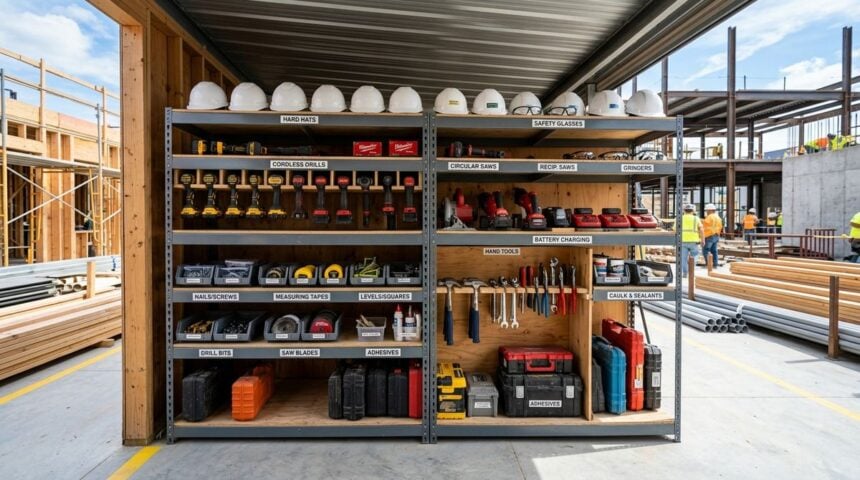
Tools should be stored at a height that avoids stooping or reaching overhead. A lockable cabinet with lightweight handles, placed close to the beds, saves time and effort. Choose tools with grips that are easy to hold, and keep a small set of lighter alternatives for gardeners who find heavy tools tiring. Label each drawer with a large word and a picture, and return items to the same place after every session. A simple rule that everyone follows keeps the space tidy and welcoming.
Scheduling Visits Around Shifts
Garden access works best when it fits the rhythms of working life. Offer early morning, lunchtime and late afternoon windows, and make it clear that visits can be short. A shared calendar, sent by message rather than printed on a notice board, lets people check availability from their phones. Consider allowing a trusted colleague to water on a rota when someone is away, so plants do not suffer during busy weeks. Flexible planning shows respect for each person’s time and builds goodwill across the team.
Invite the people who will use the garden to suggest changes before any beds are built. A short meeting or a written survey can reveal needs that a manager might never notice, such as a preferred watering method or a need for a seat near the entrance. Keep a list of these ideas, and review it at the start of each season. Some ideas will cost little, while others can wait until the budget allows. Thank each contributor in writing, because recognition keeps the ideas flowing.
Growing Together
A workplace garden grows best when the design respects the people who use it. Comfortable bed heights, firm paths, small tasks, reachable tools and flexible scheduling all reduce the barriers that busy parents and gardeners face. Start with one raised bed and a simple task board, invite feedback at the end of the season, and adjust the plan based on what people actually need. Over time, the space becomes a place where colleagues share fresh produce, rest for a few minutes and feel part of the team.