







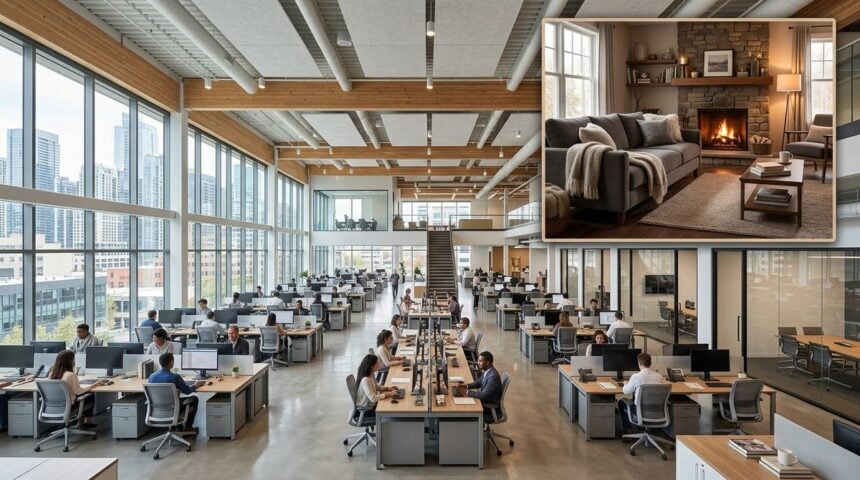
A newly leased office brings a chance to design a break room that supports how staff actually work and rest. Furniture, lighting and the location of the kitchen all shape how people take breaks during the day. A thoughtful layout encourages people to step away from their desks without feeling guilty about it. The room can also become a place where colleagues who rarely cross paths get to know one another.
This article covers practical ideas for setting up a staff break area, from seating and lighting to quiet corners and shared kitchens. It stays general and does not offer medical guidance. The goal is comfort, social connection and easy access to refreshments that suit the team. Each section can be adapted to a small office or a larger floor.
Choosing Seating and Lighting
Mix firm chairs for quick lunches with softer seats for longer pauses between tasks. Position the seating away from the main walkway so people can sit without interruption. Readers may also want to visit advanceautocars.com. Use a mix of ceiling light and table lamps so the mood can change during the day. Glare on screens is less of an issue in a room without monitors.
Use natural light where possible and add table lamps for evenings or gray days. Choose tables with rounded edges so the room stays safe during busy lunch rushes. Keep a small rug under the seating area to soften sound. A comfortable setup encourages people to linger a few minutes longer. Those short pauses often improve focus when people return to their work.
Creating a Clean and Functional Kitchen Corner
A simple kitchen corner works best when storage is clear and surfaces are easy to wipe. Place a sink close to the fridge and keep cleaning supplies in a labeled cabinet. You can also visit Angkor Car Guide for more reading. Install a dispenser for soap and paper towels so supplies never run out during the day. Make the bin easy to reach and clearly marked for recycling.
Set up a shared rota for washing up so the job does not fall on one person every day. Post a simple reminder that asks people to clear their own mugs and plates. Consider a weekly deep clean of the fridge and microwave to keep the space welcoming. Replace worn sponges and cloths regularly. A clean kitchen corner signals that the team values its shared spaces.
Offering Quiet Zones and Movement Space
Some staff want a quiet corner where they can read or make a call without background noise. Divide the room with plants or a low shelf to create that area without building walls. For a related read on this site, see Adding a Weekly Soup Special to a Lunch. Add a sign that explains whether phone calls are welcome in the area. A clear etiquette note helps everyone respect the zone.
Leave an open floor area where people can stretch or walk briefly between meetings. Short movement breaks are easy to fit into a busy day and help people feel less tired. Place a few upright stools or a standing ledge for people who prefer to work on their feet. Keep walkways wide so chairs can be pushed back without blocking anyone. Flexible spaces suit a wider range of work habits.
Stocking Water and Simple Snacks
Water stations and fruit bowls are easy ways to encourage good choices in the break room. Ask staff which options they would like, and keep the list simple so it is easy to manage. Refill the water station at the start of each day and check that the dispenser is clean. Place snacks in clear containers so their contents are visible at a glance. Small, consistent offerings often mean more than elaborate spreads.
Label dietary items clearly so colleagues can see what is shared and what is personal. Rotate the fruit selection with the seasons to keep choices interesting. Keep a small budget for replenishing stock so the team never runs out unexpectedly. Ask a volunteer to report when supplies are running low. Simple organization keeps the snack area pleasant for everyone.
Encouraging Use Without Pressure
A break room works best when no one feels judged for using it. Leaders can model short breaks and avoid sending messages during lunch hours. Make it clear that stepping away is part of productive work rather than a lapse in effort. Reinforce that message in team meetings and in the way schedules are planned. Trust grows when people see their managers taking breaks too.
Check in every few months to see what staff like and adjust the layout accordingly. Use a short anonymous survey or a suggestion box if people hesitate to speak openly. Keep the most popular changes and try replacing the least used features. Share the results so employees can see that their feedback leads to real improvements. A responsive approach keeps the room useful as the team grows.
A well-planned break room gives a newly leased office a welcoming center. Comfortable seating, a tidy kitchen corner and a quiet nook help staff recharge during the day. Small upgrades often bring the biggest return in morale.