







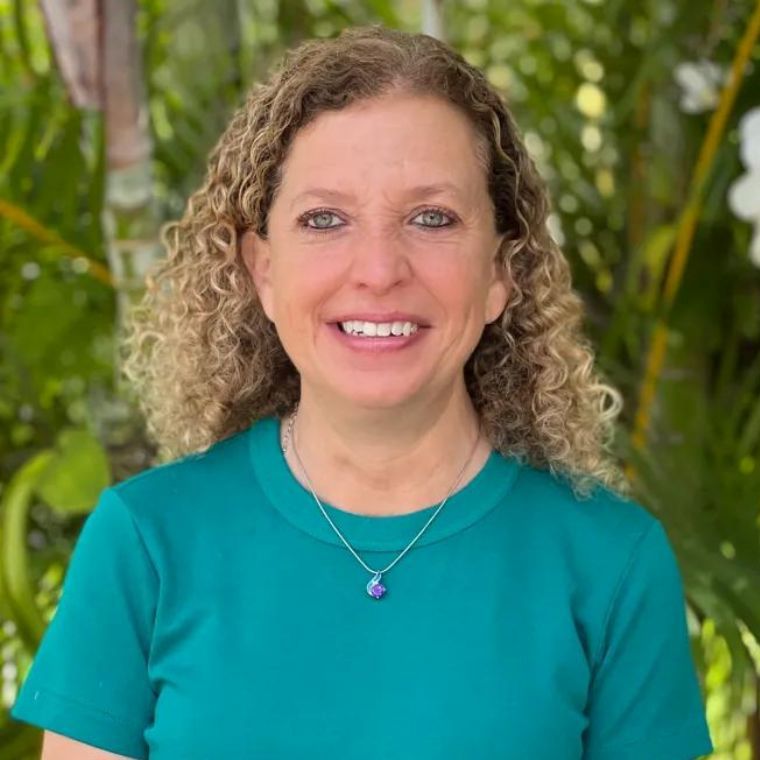
Debbie Wasserman Schultz has turned a deeply personal battle into a powerful force for national change. As a breast cancer survivor, the Florida congresswoman has made it her mission to ensure that early detection and preventive healthcare are accessible to all Americans, regardless of income or background. Her story is one of resilience, determination, and an unwavering commitment to public health.
A Personal Journey That Inspires Policy
In 2008, Debbie Wasserman Schultz was diagnosed with breast cancer at the age of 41. At the time, she chose to keep her diagnosis private, undergoing multiple surgeries while continuing to serve in Congress. Her experience navigating the healthcare system and confronting the fear of cancer head-on gave her a unique understanding of the importance of early detection.

After completing treatment, she decided to speak publicly about her journey. Her openness not only inspired others but also helped launch a national conversation about breast cancer awareness among younger women. This personal turning point became the foundation for her legislative push to improve early detection efforts nationwide.
The EARLY Act and Its Impact
One of Debbie Wasserman Schultz’s most significant legislative achievements is the Breast Cancer Education and Awareness Requires Learning Young Act, known as the EARLY Act. The bill, first passed in 2010 and reauthorized multiple times since, allocates federal funding to educate young women about the risks of breast cancer and the importance of early detection.
The program focuses on populations that are often overlooked in breast cancer outreach, including women under 40 and those with higher genetic risks. According to healthcare advocates, the EARLY Act has provided critical resources to community organizations, improved access to screening, and saved lives by encouraging early intervention.
Expanding the Fight with the Reducing Hereditary Cancer Act
Building on the success of the EARLY Act, Debbie Wasserman Schultz recently introduced the Reducing Hereditary Cancer Act. This bipartisan bill aims to expand insurance coverage for genetic testing and preventive services for individuals at higher risk of hereditary cancers. The legislation seeks to remove financial barriers that prevent patients from obtaining potentially life-saving information.
Her proposal reflects a broader vision for preventive healthcare, one that prioritizes identifying risks before illness develops and provides patients with the tools to make informed health decisions. By advocating for systemic change, she is working to ensure that no one is denied early detection opportunities because of cost or coverage limitations.
Leading Through Bipartisan Collaboration
Debbie Wasserman Schultz has made a point of building bipartisan coalitions around healthcare policy. She recognizes that cancer is an issue that transcends party lines and that collaboration is essential to passing meaningful legislation. Her willingness to work across the aisle has been instrumental in securing support for both the EARLY Act and the Reducing Hereditary Cancer Act.
This approach has earned her respect among colleagues and advocacy groups alike, reinforcing her reputation as a leader who puts the health of Americans above partisan politics.
A Broader Commitment to Public Health
While cancer prevention remains a central focus, Debbie Wasserman Schultz’s healthcare advocacy extends to other areas, including mental health services, prescription drug affordability, and strengthening public health infrastructure. She views these issues as interconnected, all contributing to the overall well-being and resilience of communities.
Her legislative work is informed by the belief that preventive care is both a moral and economic imperative. Early detection not only saves lives but also reduces long-term healthcare costs by avoiding more expensive treatments for advanced diseases.
Looking Forward
As she continues her work in Congress, Debbie Wasserman Schultz remains dedicated to advancing policies that reflect her personal experience and her commitment to improving healthcare for all. She has made it clear that the fight against cancer is far from over, and she intends to keep pushing for innovations in early detection, treatment, and patient support.
Her journey from patient to policy leader serves as a testament to the power of turning personal adversity into public advocacy. Through her legislation and leadership, Debbie Wasserman Schultz has made an enduring impact on the nation’s approach to cancer prevention, ensuring that countless Americans have the chance to detect illness early and live healthier, longer lives.