







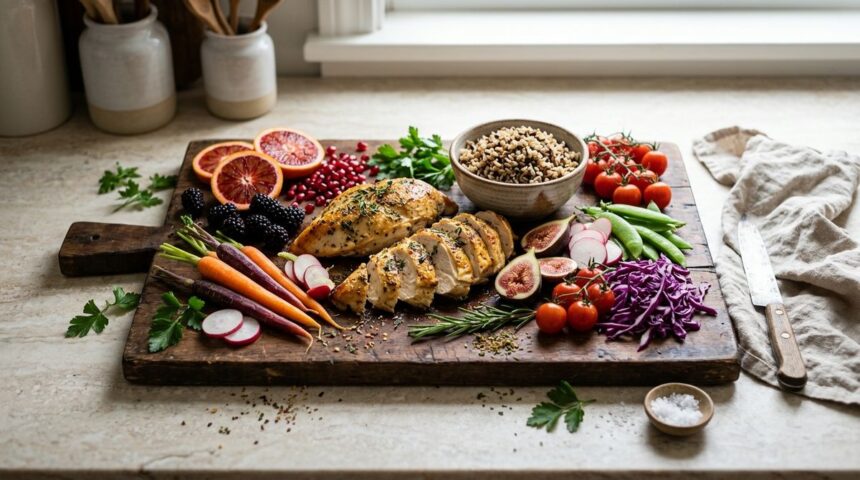
At the first market of early spring, a shopper may see bright bundles of greens sitting beside tubs of stored potatoes. Ingredients taste best when they reach their natural season, and buying at that stage often costs less too. Knowing what each season offers helps a kitchen plan meals with more flavor and less waste. The sections below follow the year from early spring to the winter store.
Early Spring Vegetables
Early spring brings asparagus, tender peas and young lettuces. These items are usually at their best for a short window. Cook asparagus briefly so it stays crisp. Eat peas soon after buying, because their natural sugars fade quickly.
Readers may also want to visit regated.com. Use those lists as a rough calendar, then check what local stalls actually sell. Freshness on the day of purchase counts for more than any list.
Early spring also invites a simple test of freshness. Taste a leaf or a pod from a few stalls before buying a large bag. Ask vendors when the produce was picked and how long it has been stored. Honest answers help a shopper choose what will taste best that week.
Summer Fruit at Its Peak
Summer fruit ripens fast, so buy it close to the day it will be eaten. Berries, stone fruit and tomatoes reward simple preparations. A pinch of salt can bring out their flavor. Keep berries unwashed in the fridge until just before serving.
You can also visit vnznews.com for more reading. Learn the signs of good fruit, such as scent and firmness. Buying a few days ahead of need works well for stone fruit that needs time to soften.
Summer fruit can also be frozen at its peak. Spread washed berries on a tray, freeze them, then move them to a sealed bag. Frozen fruit keeps well for smoothies, sauces and baking. Label each bag so the best fruit is used first.
Early spring cooking can also lean on quick pickles. Thin slices of radish or cucumber soaked in vinegar and salt make a crisp side in minutes. Keep the jar in the fridge and use it within a week for the best crunch.
Autumn Squash and Root Vegetables
Autumn brings hearty squash, carrots and beets that store well in a cool place. These items reward roasting and slow cooking. Cut squash evenly so every piece cooks at the same pace. A sheet pan with a little oil is often all the equipment needed.
For a related read on this site, see Media Monitoring Strategies for Independent Business Owners. Use it as a reference when planning dinner. Keep a small notebook of favorite combinations for the next season.
Autumn offers a chance to preserve flavor in simple ways. Roasted tomatoes stored in oil can carry summer taste into the cold months. Pickled beets or onions add brightness to heavy winter plates. Keep jars labeled and store them in a cool place.
Summer fruit also pairs well with fresh cheese and herbs. Spoon a little ricotta onto a plate, add sliced peaches and scatter basil leaves on top. Keep the portions small so the flavors stay clear.
Winter Stocking and Storage
Winter markets offer hardy greens, citrus and stored roots. Keep potatoes and onions in separate dark places, since moisture and gases affect them differently. Store citrus in the fridge drawer for longer life. Check bags weekly for soft spots.
Frozen vegetables also have a role in the winter kitchen. Flash frozen produce keeps well and can cut waste during busy weeks. Read the package for storage advice and use it promptly once opened.
Winter markets also reward patience with citrus and hardy greens. Buy citrus that feels heavy for its size, since juicy fruit tends to offer more flavor. Use the zest and juice in a salad or a braise. A small cut of citrus at the end of cooking can sharpen the whole dish.
Autumn squash can bring sweetness to savory dishes. Roast cubes with garlic and thyme, then toss them with grains or greens. A short roast in a hot oven gives a golden edge that adds depth to a simple meal.
Holiday Cooking Timing
The holiday table often combines seasonal stock gathered over several months. Plan menus around what is fresh at each stage, then add a few favorites that travel well. Make sauces and dressings ahead so the day feels less frantic.
Keep notes on which ingredients worked best this year. Those notes make the next planning cycle smoother.
Holiday cooking can mix ingredients from several seasons. Pair stored roots with a spring herb or a frozen berry sauce. Balancing stored and fresh items keeps the meal lively. A creative mix shows how the calendar can guide flavor rather than limit it.
Winter cooking benefits from gentle braises. Keep the heat low and let the pot do the work for an hour or two. The kitchen warms, and the house fills with a welcoming aroma.
Following the Calendar in the Kitchen
Seasonal cooking is less about strict rules and more about paying attention. Each stage of the year offers its own best produce, and each one asks for slightly different handling. A kitchen that follows the calendar tends to waste less and taste more. The next market visit becomes a small lesson in timing.