


Most professionals measure career progression by titles earned and roles held. A more durable measure is what those roles build over time: relationships, market knowledge, leadership experience, operational discipline, and the ability to apply lessons from one environment to the next.
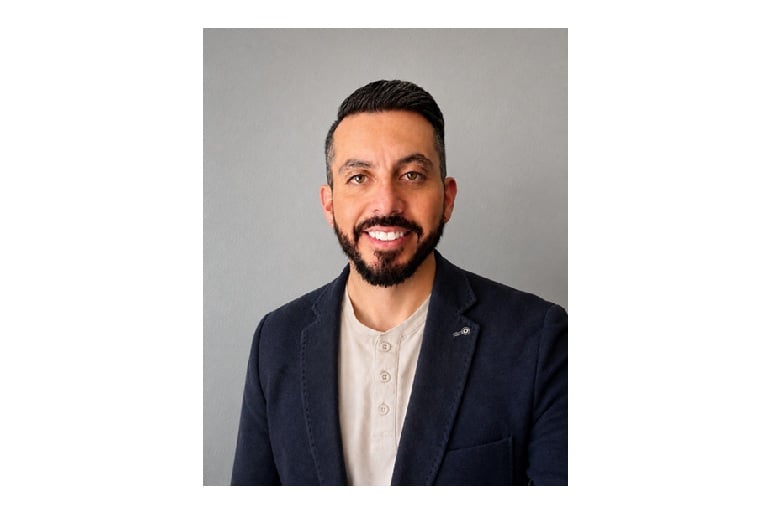
Michael Lienert’s career reflects that kind of cumulative advantage. Across sports, entertainment, hospitality, and current work in real estate, his professional path has been shaped by revenue leadership, partnership development, premium sales, and the ability to operate across competitive markets. The result is a career built less around isolated roles and more around transferable capability.
Building a Foundation in Competitive Sports Markets
The Michael Lienert Detroit chapter is an important part of that foundation. His work with organizations including the Detroit Tigers and Detroit Red Wings placed him inside a major sports market where relationship development, premium sales, partnership strategy, and disciplined execution all matter.
Premium sales is a long-horizon discipline. It requires more than outreach volume or transactional selling. It depends on trust, timing, audience understanding, and the ability to connect a client’s goals with an organization’s offerings. In professional sports, those offerings may include premium seating, hospitality experiences, sponsorship assets, and long-term partnership opportunities.
Lienert’s early sports business work helped establish the relationship-first approach that continued across later roles. In each market, the common thread was not only selling an asset. It was understanding how to create value for clients, partners, and organizations through structured business development.
The Value of Building From the Ground Up
One of the clearest examples of that approach came during Lienert’s work with Legends Hospitality and Los Angeles Football Club. He joined during the early formation stages of LAFC, before the club had played a match. That environment required a different kind of sales and partnership strategy because the organization was still building its identity, fan base, and market presence.
Selling premium seating, partnerships, and hospitality experiences in that context required vision, storytelling, and long-term trust. Clients and partners were being asked to believe in something still under construction. That meant the value proposition had to be communicated clearly, and the relationship strategy had to be strong enough to support commitments before the stadium experience existed in full.
The LAFC experience gave Lienert a practical understanding of how to build demand from the early stages of an organization. It also shaped his approach to premium offerings, partner development, and market positioning in later roles.
Suite Sales and the SoFi Stadium Project
Lienert later worked with Legends Hospitality and the Los Angeles Chargers during the SoFi Stadium project. That assignment added another layer to his experience in early-phase premium sales and venue-related business development.
The Chargers had relocated from San Diego, and the SoFi Stadium project required the development of a premium client base in Los Angeles. Lienert led suite sales efforts during a critical build phase, helping structure long-term suite lease opportunities and build a multi-year pipeline through strategic relationship development and targeted outreach.
This work reinforced several principles that appear throughout his career. Premium revenue strategy depends on clear positioning, strong client relationships, operational follow-through, and the ability to build confidence around long-term value. Those same principles later carried into his work in Detroit, Chicago, hospitality operations, and real estate.
Cross-Market Experience as a Professional Asset
A career that spans Los Angeles, Detroit, Chicago, New Orleans, and Michigan real estate markets reflects more than geographic movement. Each market requires a different understanding of clients, organizations, competitive dynamics, and business culture.
The Michael Lienert Chicago experience is part of that broader range. His senior-level work with Chicago Fire FC extended his professional footprint into another major sports market and added Major League Soccer experience to a career that already included professional baseball, hockey, premium venue sales, and hospitality.
Operating across markets can build adaptability. It requires the ability to understand local expectations, adjust communication, build new relationships, and manage business development in different competitive environments. For Lienert, that cross-market experience became part of a broader professional platform rather than a series of disconnected moves.
Institutional Range Across Sports and Hospitality
Lienert’s career includes work with the Detroit Tigers, Detroit Red Wings, Chicago Fire FC, Legends, LAFC, the Los Angeles Chargers, and Vue Orleans. Each organization carried a different business model, audience profile, and operational context.
The Michael Lienert Chicago Fire chapter added another example of sports business leadership in a competitive market. MLS organizations require partnership development, fan engagement, premium revenue strategy, and market-specific positioning. That experience broadened Lienert’s exposure to how sports organizations build commercial relationships across different cities and leagues.
His later role as General Manager of Vue Orleans in New Orleans added hospitality and venue operations to the same professional arc. That experience required operational oversight, team leadership, customer experience management, and revenue awareness in a public-facing entertainment environment.
From Sports Revenue to Real Estate Relationships
The transition into real estate is a natural extension of Lienert’s relationship-based background. Current work with Brandt Real Estate gives him a platform to apply skills developed across sports, entertainment, and hospitality to commercial, land, and residential markets.
Real estate advisory requires trust, communication, local market understanding, and the ability to guide clients through complex decisions. Those requirements are consistent with the foundation Lienert built through premium sales, partnerships, and executive operations.
The Michael Lienert professional profile now includes a Michigan Real Estate License and a Michigan Life and Health Insurance License. Those credentials reflect a deliberate expansion into fields where relationship development, advisory judgment, and long-term client trust remain central.
Credentials as Career Infrastructure
Licenses and credentials matter because they create new ways to serve clients and support professional growth. For Lienert, the Michigan Real Estate License and Michigan Life and Health Insurance License represent more than administrative qualifications. They support an expanded professional platform in Michigan.
This kind of credential-building is part of cumulative career development. It allows skills from one industry to become useful in another. The client communication required in premium sports sales can support real estate work. The operational discipline developed in venue management can support advisory settings. The partnership experience gained across sports markets can inform client development in real estate. The pattern is consistent: each stage adds capability that can be carried forward.
Diversification Without Losing the Core Thread
From the outside, a career that includes sports business, premium sales, hospitality operations, and real estate may look varied. Viewed more closely, the through-line is clear. Each role has involved revenue, relationships, client trust, market understanding, and operational execution.
That consistency matters. Lienert’s career is not defined only by the organizations on his resume. It is defined by the skill set that traveled across them. Whether working with professional sports organizations, a hospitality venue, or real estate clients, the same core capabilities remain relevant.
This is what cumulative advantage looks like in practice. It is the gradual accumulation of experience, relationships, credibility, and credentials that make each next chapter stronger than the last.
What Deliberate Career Investment Looks Like
Deliberate career investment means accepting roles that build long-term capability, even when the full value of that experience may not be immediate. It means developing relationships before they are needed. It means learning how different markets operate and building the flexibility to work across them.
Lienert’s career demonstrates that kind of long-horizon approach. His work with LAFC helped build a premium and partnership foundation from the early stages of a club. His role with the Chargers and SoFi Stadium added experience in major venue sales. His Detroit and Chicago work extended his sports business record across two major markets. His leadership at Vue Orleans added operational depth. His Brandt Real Estate work represents a current chapter grounded in the same relationship-first skill set.
The result is a professional platform built through accumulation, not reinvention. Each chapter adds context, and each market adds perspective.
About Michael Lienert
Michael Lienert is a revenue and partnerships professional with experience across sports, entertainment, hospitality, and real estate. His background includes work with the Detroit Tigers organization, Detroit Red Wings, Chicago Fire FC, Legends, LAFC, the Los Angeles Chargers, and Vue Orleans, where he served as General Manager. Based in Michigan, Lienert currently works with Brandt Real Estate across commercial, land, and residential markets. He holds a Michigan Real Estate License and a Michigan Life and Health Insurance License. To learn more, visit Michael Lienert’s official website.