







Managing money online means dealing with a set of security and banking terms that appear in alerts, settings and fine print. Two-factor authentication, phishing and encryption sound technical, yet they describe habits that protect everyday accounts. Subscriptions and interest rates add a second layer of vocabulary that affects how much money leaves a bank account each month. This guide explains ten common terms in simple language, two at a time. It is general information only, and it is not financial or security advice for any particular account.
Two-Factor Authentication and Password Manager
Two-factor authentication is a sign-in method that asks for a second proof of identity in addition to a password. The second proof might be a code sent to a phone, generated by an app or confirmed on a trusted device. A password manager is a tool that creates, stores and fills in unique passwords for each account. Together they make it much harder for someone who learns one password to gain access to other services.
Readers may also want to visit technodetails.com. These sources explain how to turn on the feature for common services. Reading the account’s own help pages is also worthwhile, since setup steps differ by provider.
Phishing and Data Breach
Phishing is a scam in which a message, call or website pretends to come from a trusted organization in order to steal information. Common signs include urgent language, unexpected requests for passwords and links that do not match the real company’s address. A data breach is an incident in which personal information held by a company is accessed or released without permission. Breaches can expose names, emails and sometimes financial details, which is why people should watch for follow-up scams.
You can also visit bestwirelesssecuritycamera for more reading. Anyone who receives a suspicious message should avoid clicking links and should contact the organization through a verified channel. When a breach notice arrives, changing passwords and watching statements carefully are sensible responses. Scammers often use breach news as a hook, so caution matters even more after a public incident.
Encryption and Cloud Backup
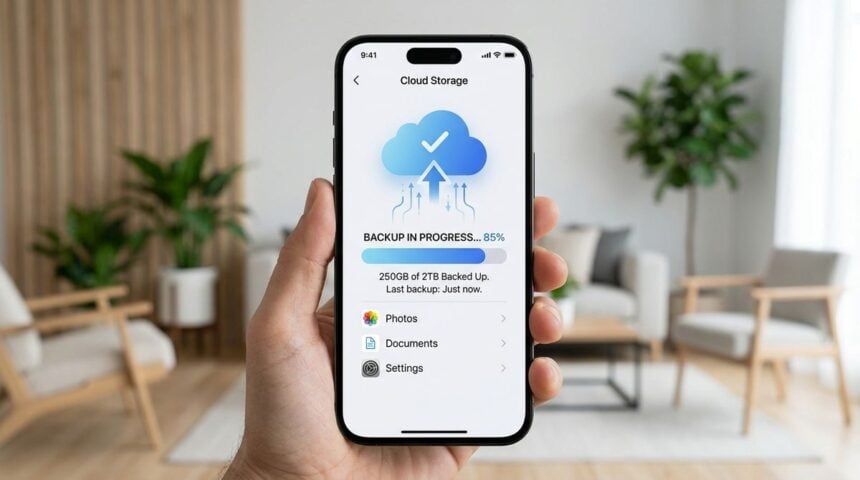
Encryption is the process of scrambling information so that only someone with the correct key can read it. Many messaging apps and online banking sessions use encryption to protect data in transit. Cloud backup is a service that copies files, photos and device settings to remote servers so they can be restored if a device is lost or damaged. Both features protect information, but they work at different stages of storage and transfer.
Users who want to see whether a service offers encryption can usually find the details in its security or privacy pages. Backups are most useful when they are tested occasionally, because a backup that cannot be restored provides little comfort. For a related read on this site, see Writing a Spending Note Each Evening.
Subscription and Recurring Charge
A subscription is an ongoing arrangement in which a customer pays a fee at regular intervals for a product or service. Recurring charges are the automatic payments that are taken on each cycle, often without a fresh confirmation. Subscriptions can be convenient, but small monthly amounts can add up without much notice. Many services make cancellation possible through their account settings, although the steps vary.
A monthly review of bank and card statements is a simple way to spot forgotten subscriptions. Reading the renewal terms when signing up helps avoid surprises. Keeping a short list of active services, with their renewal dates, makes it easier to decide which ones are still worth paying for.
APR and Credit Limit
APR, or annual percentage rate, is the yearly cost of borrowing expressed as a rate, and it can include some fees along with interest. It is used to compare credit products, although the exact calculation depends on the product and the rules that apply. A credit limit is the maximum amount a lender allows a borrower to owe on a revolving account, such as a card. Staying well below the limit is a common practice, but any decision about borrowing should be based on personal circumstances.
Readers who want clear, neutral explanations of borrowing costs can find plain background from consumer finance agencies. These materials show how interest is calculated and what to look for in disclosures. Nothing on this page is a recommendation about any loan, card or financial product.
Money and security terms may seem like background noise, yet each one describes something a person can act on. Two-factor authentication and a password manager guard access, while phishing and data breaches describe the threats to watch for. Encryption and cloud backup protect the information itself, and subscriptions and recurring charges shape the monthly budget. APR and credit limits explain the cost and capacity of borrowing. Learn the words gradually, review accounts often and seek professional advice for decisions that affect your finances.