







Owners who lease a commercial building in a hot and damp region learn quickly that the climate shapes almost every decision. The walls, roof, cooling equipment and even the placement of loading doors respond to moisture and heat in ways that a dry, mild location never demands. A lease signed without that knowledge can carry costs that only appear after the first humid summer. This article walks through the choices that matter most when a business takes space in conditions like these.
The aim here is not to memorize engineering details. It is to know which questions to put to a landlord, which features deserve a careful look during a walkthrough, and how to build a budget that allows for seasonal stress. Business owners who prepare early tend to avoid the expensive surprises that arrive with the wettest and hottest months. Careful preparation also gives a company stronger footing when it negotiates terms that fit the local weather.
Checking the Building Envelope Before You Sign
Start with the outside of the building, because moisture usually enters through roof edges, window frames and the joints near the ground. Ask the landlord when the roof was last sealed and whether gutters carry water well away from the foundation. Clear records with dates and invoices are a good sign, while a vague answer is a reason to slow down. Readers may also want to visit pc4sy.com.
Next, look for signs of past water damage on ceiling tiles, baseboards and the lower parts of interior walls. A faint stain or a slightly warped floor can point to a leak that was patched without fixing its source. Take photos during the walkthrough so you can compare them with the condition report that the lease requires later. A few minutes of careful looking can save a great deal of money once the business is operating.
Cooling, Ventilation and Air Quality for Staff
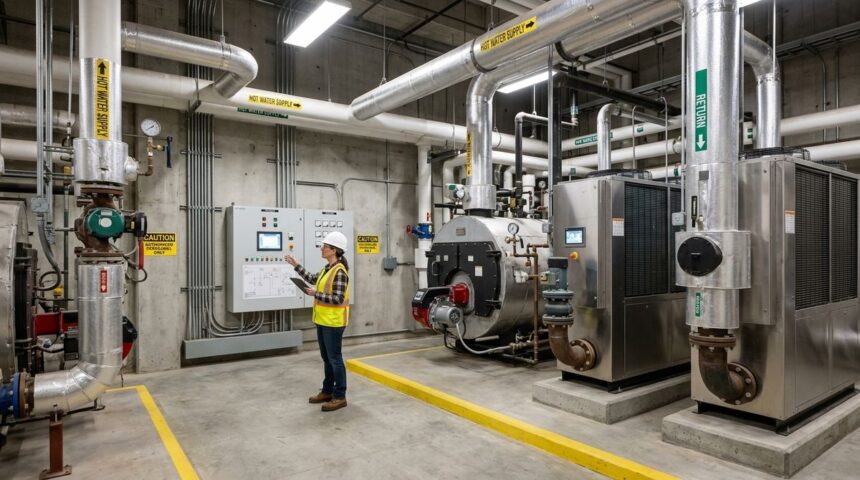
In hot and humid areas the cooling system often matters more than the paint color or the floor plan. Ask how the air handling equipment is serviced and who replaces the filters on a fixed schedule. A unit that runs all day yet never reaches a comfortable temperature will raise energy costs and frustrate everyone inside. You can also visit fashiontrendslatest.com for more reading.
Air quality deserves attention too, because damp rooms can develop mold that spreads into ductwork and stored furniture. Plan for a dehumidifier in storage areas and keep a simple log of room humidity readings across each season. Staff who sit near supply vents often notice drafts or odd smells before any formal test shows a problem. Their feedback is a useful early warning, and it costs nothing to collect.
Parking, Loading and Access in Wet Weather
Rain changes how customers and deliveries reach a storefront or office. A lot that drains poorly will pool water near the entrance, creating slippery surfaces and damaged floor mats. For a related read on this site, see Keeping Delivery Vans Dependable Through Heat, Snow and. Note whether the loading zone has a covered area so goods stay dry during a downpour.
Think about the route from the parking space to the door when the ground is soaked. Shallow ramps, covered walkways and clear signs reduce slips and help visitors who move slowly. Measure how far the nearest bus stop or public parking area sits from the entrance. Those details shape daily foot traffic far more than many owners expect when they first look at a space.
Insurance and Maintenance Planning Through Storm Seasons
Storms, heavy rain and high winds can cause costly interruptions, so a lease should be read with those risks in mind. Ask which party covers repairs after a storm and how long a closure could last before the rent is adjusted. Keep current photos of the premises and an inventory of equipment so any claim can be documented quickly. Clear answers on these points protect the business when the weather turns severe.
Preventive maintenance is the cheapest protection a commercial owner can buy. Schedule roof inspections before the wet months begin and clear drains at the start of each season. A small repair in the spring usually costs far less than emergency work after a leak spreads through a ceiling. Building a maintenance routine around local weather keeps both the tenant and the owner on steady ground.
Matching the Lease Term to Local Seasonal Demand
Seasonal swings in customer traffic affect how long a lease should run and where break clauses belong. A shop in a tourist district may see strong months followed by quiet ones, while a business serving local residents might stay steady through the year. Model rent against realistic sales for the slowest season rather than the busiest one. Negotiate flexibility where possible, such as a temporary rent reduction during predictable slow periods.
Owners who treat weather as a core part of the plan tend to sign leases that suit their operations, not just leases that look attractive on paper. Start with the building, question the systems and build a budget that expects change. The most reliable preparation is the habit of asking what the season is likely to do next. A steady, thoughtful approach keeps a commercial space productive through every kind of climate.