







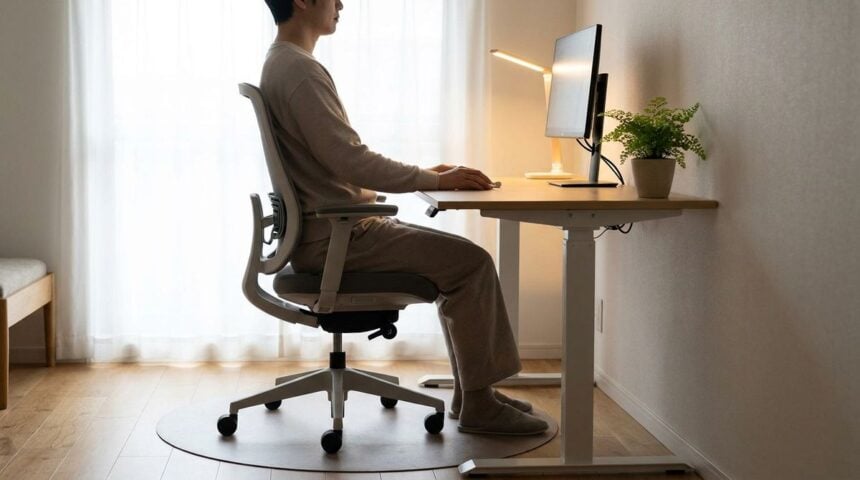
Office health depends on small details such as chair height, screen position, lighting and the supplies kept in the first aid cabinet. Employers can address many of these details with simple seasonal checks that take only a few minutes. This article offers general guidance on routines that support staff wellbeing without making medical claims.
The tasks below apply to small offices, shared workspaces and home offices run by a business. They focus on workstation setup, regular movement and supply management. Consult a qualified occupational health professional for individual concerns or for formal assessments.
Spring Workstation Setup
Spring is a good time to check workstation setup after winter habits have settled in. Make sure each chair supports the lower back and allows feet to rest flat on the floor. Position the monitor so the top of the screen sits near eye level, and keep the keyboard close enough that elbows rest at the sides. Readers may also want to visit Get Wellness Deal.
Ask staff to report discomfort early rather than waiting for symptoms to worsen. Keep a small adjustable stand, a footrest and a document holder available for shared use. Record each adjustment in a basic log, so that replacement or repair decisions are easy to make later on.
Summer Lighting and Breaks
Summer sunlight can create glare on screens near large windows. Adjust blinds, reposition desks and offer anti-glare filters where needed. You can also visit Fitness-Studion1 for more reading.
Encourage short breaks every hour, with a walk, a stretch or a glass of water. Simple reminders on shared calendars work well for small teams. Breaks matter more in warm rooms, where concentration can drop faster than people expect, so plan them before the afternoon slump arrives.
Autumn First Aid Cabinet Review
Autumn is a sensible season to review the first aid cabinet. For a related read on this site, see Workplace Wellness Basics for a Small Office Team. Check expiry labels, replace used dressings and make sure the cabinet is easy to reach and clearly signed.
Restock items in batches so that nothing runs out during the colder months. Keep a list inside the cabinet door showing what is stocked and where it sits. Assign one person to check the list each season, and make sure a second person knows the location in case the first is away.
Lighting is part of ergonomics too, especially for staff who read printed documents. Place task lamps where they reduce shadows on the page, and avoid placing a bright window directly behind the screen. Small adjustments often make reading more comfortable for everyone who shares the room.
Think about the layout of walkways and storage as well. Keep frequently used items within easy reach, and avoid stacking boxes in places that force awkward twisting. A tidy route through the office reduces strain and makes emergencies easier to handle when minutes matter.
Winter Hygiene Supplies and Training
Winter often brings more coughs and sniffles to shared spaces. Keep tissues, hand cleaner and wipes stocked in common areas, and place them near doors and kitchens where people gather. Remind staff to wash hands regularly, since simple habits make a noticeable difference in busy offices.
Refresh short training on first aid basics and reporting procedures during quieter weeks. Practice how to call for help, where to find the cabinet and who to contact about injuries. Brief practice keeps knowledge fresh and reduces panic when something unexpected happens on a busy day.
Review the health and safety notices that apply to your type of business each year, using official guidance from the relevant authority. Keep a copy of the current notices in the staff area, and make sure new team members receive a short briefing on the main points. Clear information helps everyone act with confidence when a concern arises.
Ask staff what would make their workspace more comfortable and take their suggestions seriously. Even a small change, such as a footrest or a better chair cushion, can make a long shift easier. Thank people for their feedback and explain what you decided, even when the answer is not yet.
Consider how staff report discomfort or minor injuries. A simple form or a shared message thread can capture the details quickly, so patterns become visible over time. Respond to every report with a clear next step, even when the answer is simply a new chair or a short break. Staff who feel listened to are more likely to speak up early, which prevents small concerns from becoming longer absences. Keep reports private and handle them with respect for each person involved. Review the reports once a season with the team, and share the outcome in general terms so people see that their reports lead to action.
Ergonomic checks and supply restocking form a practical health routine for any office. Spring setup, summer lighting, autumn cabinet reviews and winter hygiene habits together cover most everyday needs. Start with one workstation this season, then extend the review to the rest of the team once the routine feels familiar to everyone.