







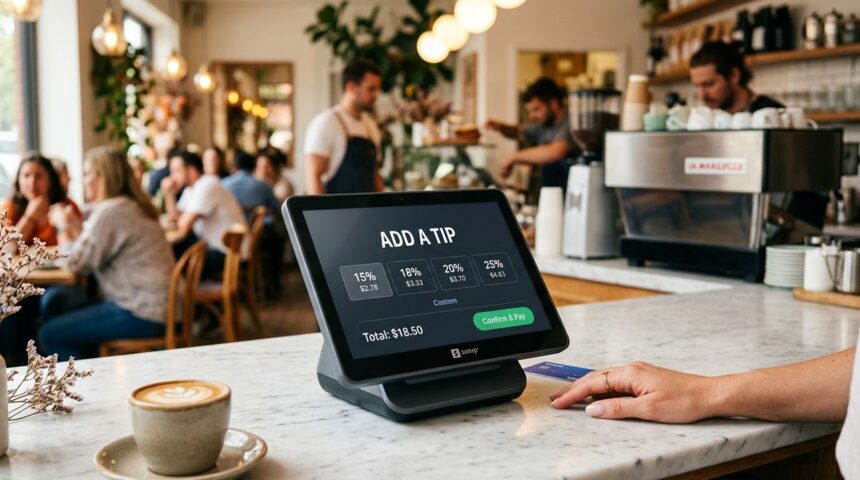
A garden shop owner who considers accepting digital coins usually wants to reach a new group of customers without adding confusion at the checkout counter. The decision involves technology, accounting, customer service and a fair amount of paperwork that can feel overwhelming during a busy season. Some owners prefer to manage each step personally because they enjoy understanding how the mechanics work. Others would rather hand the setup to a specialist who already knows the tools and the common pitfalls. Both paths can work, provided the owner understands the tradeoffs before making a commitment that is difficult to reverse. This article describes the decisions that matter most and explains when outside help tends to pay off.
Deciding Whether Digital Payments Fit Your Shop
Begin by asking whether your customers actually want to pay this way, since real demand matters far more than novelty. Look at the typical order size, how often people buy plants or supplies on impulse and whether your regular customers would even notice the change. Readers may also want to visit polish-clothes.com. Write down the reasons for and against the change, including the time your staff would need to learn the new process. A clear answer to these questions shapes every choice that follows and keeps the project grounded in real customer needs.
Setting Up Payments Yourself
Some owners can configure a digital payment option without outside help if they are comfortable with basic software settings and account verification steps. Start by reviewing the terms, fees and settlement timing in the provider documentation so you know exactly what the store will receive from each sale. You can also visit 10Shavers for more reading. Test the setup with small transactions before opening it to the public, and keep a record of each test for future reference. Doing it yourself gives you full control, though it also means you are responsible for every detail when something goes wrong during a busy afternoon.
When a Specialist Advisor Takes Over
Outside specialists can handle the technical setup, the reporting and the compliance questions that consume a lot of time during a busy season and often pull owners away from daily priorities. A reputable advisor should explain every step, put the costs in writing and show how the arrangement fits with your existing bookkeeping. For a related read on this site, see Leasing a Commercial Space Where Heat and Humidity. Ask for references from other retailers of a similar size, and check how quickly the advisor responds to questions after the handover is complete. Hiring help makes the most sense when the setup would otherwise pull your attention away from customers during the most demanding weeks of the year, when every minute at the counter matters.
Protecting Records and Customer Data
Digital payments create records that need to be stored securely and reconciled against your daily sales totals. Use strong, unique passwords and enable two-step verification wherever the option allows it, since that single habit blocks many common attacks. Limit access so that only the people who genuinely need the reports can see them, and review that list whenever someone leaves the team. Store exports in a protected location, and delete temporary files containing sensitive details once they are no longer required for your records. Good habits here protect both the business and the customers who trust it with their information and their payment details.
Training Staff at the Counter
Front-line staff need clear, simple steps so that customers do not wait while someone searches for instructions behind the register. Create a one-page guide with screenshots of each screen, the most common questions and the steps for handling a failed transaction calmly. Practice the process during quiet hours so that the first busy weekend does not turn into an unplanned training session. Assign one person as the go-to contact for payment questions, and make sure that person knows how to reach your provider’s support channel quickly. Confident staff keep the line moving and make the new option feel like a normal part of the store experience for regular and first-time visitors alike.
Choosing the Route That Suits Your Store
In the end, the right route depends on your comfort with technology, the size of your team and how much time you can spare during the busiest seasons. Owners who enjoy understanding systems may prefer to manage the setup themselves and grow into the process gradually over time. Others gain more from outside expertise, especially when a store is already stretched thin by seasonal demand and staff shortages. A middle path often works well, with the owner learning the basics and a specialist reviewing the setup once before launch. Whichever way you go, make the decision deliberately so the change serves your customers rather than adding stress to your daily routine and to the people who depend on your team.