







Selling an older car raises a mix of questions about price, paperwork and how the buyer will pay. The owner can trade the car in at a dealership, sell it privately to another driver or send it to an auction. Each route moves money at a different speed and with a different level of effort, and each carries its own kinds of risk that are worth understanding before the first advert goes live.
The three routes shape how much the owner keeps and how much responsibility stays with the seller. The sections below describe each option in turn, including the payment and paperwork issues that can appear along the way. Payment methods such as digital currency are mentioned only as general points to check, not as a recommendation for or against any particular form of payment.
Dealer Trade-In for Speed and Simplicity
A dealer trade-in is the quickest way to move an older car. The dealer appraises the vehicle, makes an offer and handles most of the transfer paperwork. The owner avoids advertising, meetings with strangers and the wait for a buyer to appear. Readers may also want to visit Sali Blog.
The trade-off is usually a lower price, since the dealer must resell the vehicle at a margin. Trade-in offers can also be linked to buying another car, which makes it harder to compare the two sides on their own. The paperwork should be read carefully, and the owner should confirm that the offer is in writing before handing over keys. A quick second opinion from another dealer can reveal whether the first figure is fair.
Private Sale for a Better Return
A private sale can bring a better price because the seller keeps the margin a dealer would otherwise take. The owner sets the asking price, chooses how to advertise and decides who is allowed to test drive the car. You can also visit getnewsupdate.net for more reading.
Private sales take effort and carry risk. The seller must answer questions, arrange viewings and protect against scams, including requests for unusual payment methods or deposits from people who never see the car. Any offer to pay in digital currency should be treated with caution, because such payments are hard to reverse and are often used by people who are not who they claim to be. A written record of the sale, with the agreed price, the day of handover and the payment received, protects both sides.
Auction for Competitive Bidding
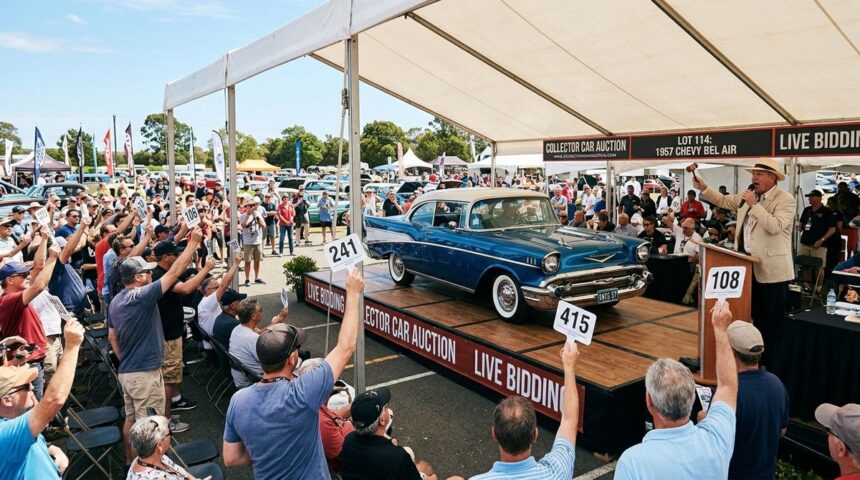
An auction brings several buyers together for a fixed period, and the car goes to the highest bid that meets the reserve. Auctions can be useful for unusual or classic vehicles that attract enthusiasts, and they can produce a fair price when demand is strong. For a related read on this site, see Adapting Small Business Roadmaps to Fast Global Market.
Auction fees, reserve rules and the risk of an unsold car can reduce the final return. A vehicle that fails to meet its reserve may need to be taken home again, along with the storage and transport costs that come with it. Sellers should read the terms closely, ask about buyer protections and understand what happens if the payment does not clear. An auction can be rewarding for the right car, but it is not a shortcut for every vehicle.
Choosing the Right Route for Your Car
The best route depends on how fast the car must go, what it is worth and how much effort the seller can give. A car that needs to be gone this week may suit a dealer, even at a lower figure. A well-kept car with a good story may reward a private sale, and a rare or enthusiast vehicle may attract strong bids at an auction. Matching the route to the vehicle and the owner’s circumstances keeps the sale calm.
- Choose a dealer trade-in for speed and minimal paperwork.
- Choose a private sale for the highest possible return with more effort.
- Choose an auction for rare vehicles with an audience of enthusiasts.
Whatever the route, verify the buyer’s identity and the method of payment before handing over keys or documents. Money that cannot be checked or reversed is a warning sign, and a short pause to confirm the details protects both the sale and the seller. A cautious seller rarely regrets taking an extra day to check.
Closing the Sale With Confidence
Selling an older car is easier when the seller knows the options and the risks in advance. Gather the service records, check the paperwork and agree the terms in writing before the keys change hands. A calm, well-prepared sale leaves both sides with a clear record and few surprises afterward.