







Expanding a restaurant into a bigger room is a major step, and it changes almost every routine in the kitchen. Prep stations move, delivery windows shift, and staff need time to learn new paths between the walk-in cooler and the line. A calm, well-sequenced plan lets the team keep serving guests through the transition. This guide walks through the planning stages in plain language, from layout and equipment to staff training and a soft opening. It offers general ideas for an owner who wants a smoother move.
Mapping the New Kitchen Before Signing
Begin by measuring the new space and sketching the current kitchen to the same scale. Mark the places where food travels most, such as the path from storage to prep, from prep to cooking and from cooking to the pass. Compare the two sketches and note where the new room offers better flow or where it creates a bottleneck. Readers may also want to visit foxnewsco.com. Include the location of drains, outlets, gas lines and ventilation, because those features often limit where equipment can go. Ask whoever will inspect the space to walk through the plan with you before any lease is signed. A layout drawn early saves expensive changes later, when walls and utilities are already fixed. Finish with a simple list of what must stay, what can move and what will be replaced. Walk the plan with the landlord and the inspector, and note every question that comes up along the way.
Moving Equipment in Stages
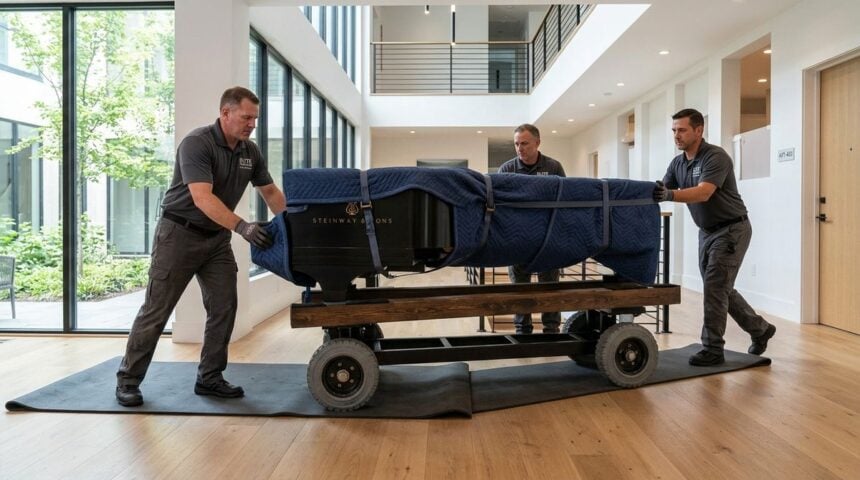
Moving equipment all at once invites mistakes, so divide the work into stages. Start with the items that are easiest to relocate, such as shelving, small appliances and storage bins. Keep the core cooking line running in the old space until the new one can handle a full service. You can also visit Itsnews.net for more reading. Label each item with its new position on the plan, and photograph the connections before anything is unplugged. Schedule the heavy lifts for quiet days, since a stove or a walk-in unit can take a full crew several hours. Test each piece in its new spot before relying on it during a busy service. Keep spare hoses, fittings and cleaning supplies in one labeled box so that small problems do not stop the move. A staged approach keeps the menu available while the kitchen quietly changes shape.
Retraining the Team for New Routines
A larger kitchen changes how people move, talk and divide their work. Walk each team member through the new layout on a quiet morning, and let them trace the route from storage to station. Update the prep list so that tasks follow the new flow instead of the old habits. For a related read on this site, see Fleet Upkeep Before the Busiest Stretch of the. Hold short practice services in the new space, with a few regulars or friendly guests, so the team can find problems before the rush. Set clear hand-off rules at the pass so that orders do not get lost during the first busy weekend. Encourage cooks to speak up about awkward reaches or crowded corners, and act on their feedback quickly. Confident staff make the change feel like progress rather than disruption.
Protecting Food Quality During the Move
Food quality can slip when ingredients sit in boxes or wait in a van for too long. Plan supplier deliveries around the moving schedule, and ask for smaller, more frequent drops during the transition. Keep a temperature log for coolers and holding units, and check it at each opening and closing. Relocate perishable stock last, and move dry goods first so that the most sensitive items spend the least time in transit. Review recipes that depend on exact timing, such as sauces and pastry, and adjust batch sizes until the new equipment behaves predictably. Label every container with a date and the name of the person who prepared it. Keep a simple log of any product that arrives damaged, so the supplier can be contacted quickly. A careful sequence protects both flavor and the reputation the restaurant has already earned.
Opening Gently and Reviewing the First Weeks
A soft opening gives the team a chance to test the new space without the full weight of a packed room. Invite a limited number of guests, and ask them honest questions about wait times and portion sizes. Track ticket times, waste levels and any repeated mistakes during the first two weeks. Meet with the team at the end of each shift to note what worked and what needs a quick fix. Adjust the menu if a dish strains the new line, and remove items that slow everyone down. Share the lessons with suppliers and staff so that the next change begins from a stronger base. Patience during these early weeks usually pays off once the kitchen finds its rhythm.
Settling Into the Larger Room
Once the kitchen feels natural, revisit the plan and retire any temporary fixes that are no longer needed. Keep the station cards, labels and logs in a binder that stays with the manager. A well-run move leaves the restaurant ready for its next growth step.