


![Ghostbusters 4: Release Date Confirmed | All You Need to Know! [2022]](https://marketresearchjournals.com/wp-content/uploads/2022/10/MichiganSportsZone.com-59-150x150.jpg "Ghostbusters 4: Release Date Confirmed | All You Need to Know! [2022]")



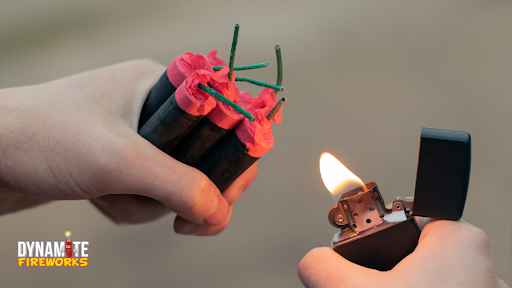
Firecrackers do not carry a stamped expiration date the way food or medicine does, but that does not mean they last forever. If you bought more than you used and stored them over winter, the question of whether they are still safe to light is a fair one.
Finding fireworks near you that are fresh and properly stored is always the better option, but understanding what actually causes firecrackers to degrade helps you make a smarter decision about what’s in that box in your garage. This guide covers the chemistry, the storage rules, and the signs that tell you when to stop and dispose.
Why Firecrackers Do Not Have a Technical Expiration Date
Firecrackers are powered by black powder, a low explosive composed of potassium nitrate, sulfur, and charcoal. The Bureau of Alcohol, Tobacco, Firearms and Explosives (ATF) classifies black powder as a low explosive used as a propellant in fireworks and pyrotechnics.The three components of black powder are:
- Potassium nitrate (saltpeter): acts as the oxidizer, supplying oxygen for combustion
- Sulfur: lowers the ignition temperature and accelerates the reaction
- Charcoal: provides the carbon fuel that sustains the burn
Because these components are chemically stable under dry conditions and do not break down through biological decay, manufacturers do not stamp a hard expiration date on most consumer firecrackers. Potassium nitrate is hygroscopic, meaning it actively absorbs moisture from the air.
That moisture absorption, not chemical decay, is what eventually disrupts the powder mixture. A dry, sealed environment removes that variable entirely, which is why properly stored firecrackers can remain functional for many years without any significant change in their chemical composition.
What Actually Degrades Firecrackers Over Time
The powder itself is not the primary failure point. The surrounding materials are. Cardboard casings, paper wrapping, clay end plugs, and fuse material are all sensitive to moisture and temperature changes. These physical components degrade faster than the chemical composition inside.
Moisture is the single biggest threat. When water penetrates the casing, it dissolves potassium nitrate crystals and disrupts the even mixture of the three black powder components. A disrupted mixture burns less efficiently, produces weaker pressure, and may fail to ignite at all. Temperature swings between hot summers and cold winters cause casings to expand and contract, loosening the clay plugs that confine the powder charge. Without tight confinement, a firecracker burns instead of banging. Fuses are equally vulnerable. Cotton fuse material absorbs humidity and can rot or become too brittle to carry a flame reliably from end to end.
How Long Firecrackers Realistically Last
Properly stored firecrackers remain fully functional for many years. Dynamite Fireworks notes that fireworks stored dry in a sealed plastic container can stay safe for multiple years. Black Cat Fireworks, one of the leading firecracker brands, states that fireworks up to ten years old are often fully functional when kept dry.
Realistic shelf life based on storage conditions:
- Ideal storage (cool, dry, sealed): 8 to 10 years with minimal performance loss
- Average home storage (dry garage or closet): 3 to 5 years before noticeable degradation
- Poor storage (shed, basement, humid area): 1 to 2 years before reliability drops
- Wet or flood-damaged: Discard immediately regardless of age
Most consumer fireworks manufacturers suggest a practical shelf life of 3 to 8 years under correct storage conditions. Over the past 10 years, performance and predictability declined enough to make use a safety concern rather than just a quality issue.
Visual Signs a Firecracker Has Gone Bad
You do not need to light a firecracker to know whether it is usable. A basic physical inspection reveals most failure indicators before you ever get near a fuse.
Check for these signs before use:
- Fuse is disconnected, frayed, or missing from the firecracker body
- Casing is soft, discolored, warped, or shows visible water staining
- Powder is visible through cracked or split paper wrapping
- Clay end plugs are loose, crumbling, or missing
- The firecracker feels lighter than expected, suggesting powder has shifted or spilled
- Any unusual odor, which may indicate chemical degradation or mold on the casing
Dynamite Fireworks is clear on one point: if the fuse is no longer attached, do not attempt to relight or reattach it. A firecracker without a securely connected fuse cannot be safely ignited and should be disposed of immediately. Never try to repair a damaged firecracker by replacing the fuse or re-packing the casing.
Proper Storage to Maximize Shelf Life
Storage conditions determine how long firecrackers remain functional far more than the age of the product. A 5-year-old firecracker in a sealed container will outperform a 1-year-old firecracker left in a damp shed.
Follow these storage practices:
- Store in a rigid airtight plastic container, not the original cardboard box
- Add silica gel packs inside the container to absorb residual moisture
- Keep the container in a cool, dark location between 50°F and 80°F
- Never store near heat sources, water heaters, or areas with temperature swings
- Keep away from direct sunlight, which degrades casings and labels over time
- Store in a locked location out of reach of children
- Label the container with the purchase date to track age accurately
Dynamite Fireworks recommends plastic storage with silica gel packs specifically for customers who do not use their full purchase in a given season. This is the same principle used in long-term ammunition storage, where controlled humidity is the primary preservation variable.
How to Safely Dispose of Old or Wet Firecrackers
Throwing old firecrackers directly into household trash without neutralizing them first is a fire and safety hazard for waste management workers. The correct disposal method neutralizes the powder before the product leaves your hands.
Safe disposal steps:
- Submerge firecrackers fully in a bucket of water
- Leave small firecrackers submerged for at least 15 minutes
- Leave larger items or full bricks submerged overnight
- Double-wrap the soaked firecrackers in plastic bags to prevent drying out
- Place the sealed bags in regular household trash
Never attempt to burn old or wet firecrackers to dispose of them. Degraded fireworks can behave unpredictably when ignited and may explode in fragments rather than performing normally. Soaking in water is the only safe neutralization method for home disposal.
Fresh Is Always Better
Old firecrackers that pass a visual inspection may still light, but performance is unpredictable. A degraded powder mixture burns unevenly. An aging fuse may burn too fast or too slow. Even a firecracker that looks intact can produce a weak pop, a misfire, or an erratic burn that makes it unsafe to handle.
At Dynamite Fireworks Store, we carry fresh, name-brand fireworks near me from verified suppliers including Black Cat, World Class, BIG, and Showtime. Every product on our shelves carries full manufacturer labeling and meets federal 1.4G consumer standards. We are located at 4218 Calumet Ave in Hammond, Indiana, and you can reach us at (219) 937-4090.
Visit our firecrackers page to browse our full selection of firecracker brands and sizes before your next visit to our showroom.