






Independent shopkeepers face a continuous balancing act between novelty and dependability. When a sudden craze sweeps through online channels, foot-traffic customers often walk through the door expecting to see those same trending goods displayed on physical shelves. Jumping headfirst into every passing wave, however, can quickly tie up working capital in unsold inventory once public attention inevitably moves forward to the next curiosity. Successful local merchants survive not by guessing the future or reacting impulsively to online excitement, but by establishing steady merchandising habits that absorb changing tastes without jeopardizing overall store stability.
Navigating modern marketplace rhythms requires clear judgment, disciplined cash allocation, and an honest assessment of customer habits. Instead of reacting with frantic wholesale orders that inflate backroom stock, experienced proprietors treat customer curiosity as an opportunity to test ideas gradually. By developing dependable evaluation routines, business owners can introduce exciting merchandise into their catalog while protecting the reliable core products that consistently pay lease commitments, utility bills, and staff wages.
Spotting Emerging Demand Without Chasing Every Fad
Not every viral discussion translates into sustained retail sales. A topic may generate millions of casual online views while utterly failing to inspire consumers to reach into their pockets at a brick-and-mortar register. Store operators must learn to separate brief surges of spectator amusement from genuine shifts in customer lifestyle habits. When patrons begin asking for specific materials, aesthetic styles, or functional home additions during everyday counter conversations, that interest usually reflects deeper staying power than a novelty gag product designed purely for brief entertainment.
Keeping an eye on modern community buzz and broad cultural conversations gives merchants a realistic sense of what everyday shoppers talk about outside commercial channels. Exploring independent perspectives through platforms like Erome allows shopkeepers to observe emerging discussions around personalities, creative influencers, and lifestyle topics before these moments turn into mainstream commercial demand. Monitoring these social undercurrents early helps you plan smaller supplier test orders before wholesale prices spike or distributor stock runs dry across regional trade networks.
Before committing to a substantial purchase agreement with distributors, test buyer enthusiasm on a manageable scale. Many successful shopkeepers introduce a limited sample batch on a prominent front table or highlight a single shelf display near the main entryway. Observing how quickly those initial pieces sell, and listening carefully to the comments shoppers share while browsing, provides concrete feedback that no third-party sales sheet can match. This measured introduction reveals whether local foot traffic shares the broader public enthusiasm.
Evaluating Store Systems and Inventory Equipment
Bringing unfamiliar stock into a small store frequently puts unexpected pressure on internal operations. Unique items might require specialized barcoding, distinct hanging hardware, climate-conscious storage, or upgraded point-of-sale catalog tags. When store owners expand their product lines too rapidly, backroom disorganization often follows, creating friction at checkout and frustrating staff members who struggle to locate unlisted variations or manage awkward display footprints on the sales floor.
Store owners often rush into subscription services or specialized hardware that sound impressive on paper but prove cumbersome in practice. Taking time to widen your evaluation criteria through discovery hubs like geek-foo.net helps buyers think through alternative devices, clarify real functional needs, and settle on durable store equipment that matches daily store traffic. Thoughtful comparison prevents your retail venture from overpaying for complex feature sets that provide little day-to-day benefit behind the counter.
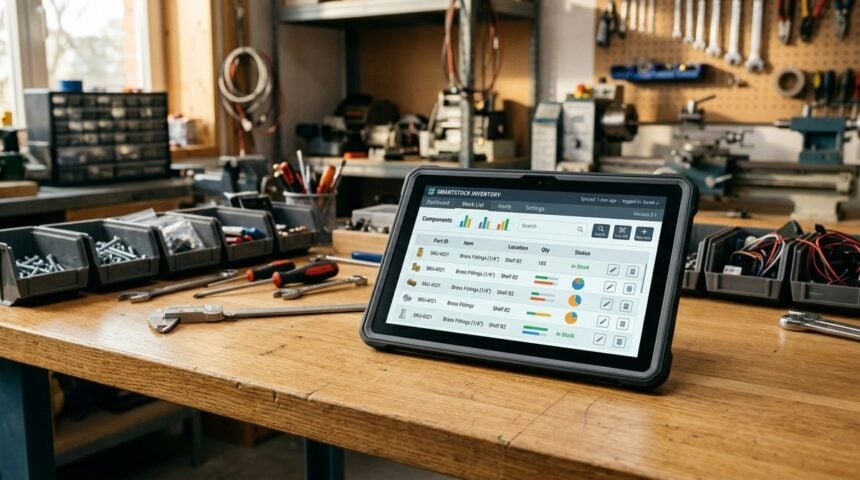
Simplicity remains your greatest operational ally when managing physical merchandise. Select inventory software and scanning equipment that team members can master within a single training shift. Whenever you evaluate a new digital tool or display fixture, ask whether it genuinely reduces repetitive manual steps or merely adds another administrative hurdle to daily closing procedures. Durable, intuitive equipment keeps staff focused on greeting patrons rather than troubleshooting technical glitches.
Practical Safeguards for Testing New Merchandise
Developing an orderly testing framework ensures that experimentation remains constructive rather than chaotic. Instead of letting intuition or impulsive enthusiasm guide every purchasing run, establish straightforward operational boundaries that protect your cash reserves. A structured approach gives your team permission to innovate without placing the broader venture in jeopardy:
- Set a strict ceiling on the total shelf space allocated to untested novelty products.
- Negotiate flexible return terms or consignment arrangements with new vendors whenever possible.
- Establish a clear calendar deadline to discount or clear items that fail to rotate.
- Track customer inquiries at the register to gauge authentic local interest.
- Review weekly inventory turnover reports before reordering any emerging specialty line.
Adhering to these simple boundaries keeps floor space productive and dynamic. If a fresh product line fails to generate steady excitement within your designated timeframe, markdown the remaining units without hesitation and move on. Hesitating to clear slow-moving goods consumes valuable shelf real estate that could otherwise display dependable staples that support daily operational costs. Decisive clearance keeps inventory fresh and capital moving freely.
Balancing Capital Expenses and Mobile Operations
Many independent retailers expand their reach by bringing fast-moving inventory directly to outdoor weekend markets, neighborhood fairs, or downtown pop-up events. Taking products on the road exposes your brand to diverse audiences who might never stumble across your permanent storefront during regular business hours. However, mobile retail demands its own logistical investments, including folding display tables, weather-resistant covers, mobile checkout terminals, and dependable transportation.
Transport expenses represent a substantial commitment for a growing enterprise. Much like balancing operational reliability against cash flow during a seasonal vehicle upgrade decision, a retail owner must determine whether renting delivery support or investing in dedicated wheels serves the business better during bustling holiday pop-ups. Rushing into vehicle purchases or large utility trailer commitments before establishing a regular travel calendar can strain cash reserves during quieter seasonal stretches.
Treat every mobile outing as an operational dress rehearsal. Keep packing lists standardized, label transport containers clearly, and inspect mobile point-of-sale batteries prior to departure. When logistics run smoothly behind the scenes, staff can concentrate entirely on greeting patrons, answering merchandise questions, and representing the storefront warmly. Reliable field preparations protect merchandise from transit damage and reduce setup stress on busy event mornings.
Building Steady Repeat Foot Traffic Over the Long Run
While popular trends and striking window arrangements may draw first-time visitors through the entrance, memorable customer service and dependable core selections persuade them to return regularly. A shopper who stops by out of curiosity for a novelty item will only become a loyal patron if they encounter a welcoming environment, fair pricing, and trustworthy product recommendations from knowledgeable staff.
Focus on nurturing authentic relationships within your immediate geographic neighborhood. Partner with neighboring cafes, participate in community sidewalk events, and listen attentively to local requests from recurring visitors. Cultivating a reputation as a thoughtful, reliable community destination provides steady commercial resilience that easily outlasts any short-lived internet sensation or sudden economic shift.