


![Ghostbusters 4: Release Date Confirmed | All You Need to Know! [2022]](https://marketresearchjournals.com/wp-content/uploads/2022/10/MichiganSportsZone.com-59-150x150.jpg "Ghostbusters 4: Release Date Confirmed | All You Need to Know! [2022]")



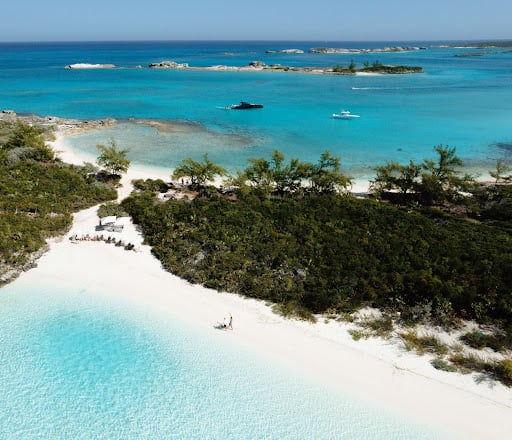
Sustainable luxury in private island development depends on restraint, environmental awareness, cultural respect, and long-term planning discipline. Sampson Cay, a private island development in the Exumas, The Bahamas, developed by Yntegra in partnership with Rosewood Hotels & Resorts, reflects that framework through a low-density planning model designed around responsible luxury and environmental stewardship.
The Rosewood Sampson Cay concept is best understood through the relationship between setting and responsibility. A private island in the Exumas cannot be planned as a generic resort destination. The natural environment, marine setting, Bahamian context, and Rosewood’s A Sense of Place philosophy all shape how Sampson Cay sustainable luxury model should be understood.
Rosewood Sampson Cay And Sustainable Island Planning
Sustainable luxury is often used broadly in hospitality, but the concept carries specific meaning in an island setting. It requires a development model that places environmental stewardship, design restraint, and community awareness at the center of planning decisions. In the Exumas, those principles are especially important because the destination’s long-term value is closely tied to the quality of its land, water, marine life, and cultural character.
Sampson Cay is positioned as a responsible luxury development rather than a high-density resort model. The project’s planning approach emphasizes quality, restraint, and longevity over scale. That distinction supports a hospitality experience that is connected to the natural and cultural setting of The Bahamas.
The Rosewood Exuma Development environmental impact discussion should therefore focus on the planning principles behind the project. Low-density design, environmental awareness, Bahamian economic opportunity, and a global hospitality partnership all contribute to a more measured private island model.
Why Low-Density Design Matters In The Exumas
Low-density design is more than an aesthetic choice. In private island development, density affects infrastructure, land disturbance, energy demand, water use, movement patterns, and the relationship between built areas and coastal systems. A restrained development model can help reduce pressure on the surrounding environment when compared with a more intensive footprint.
The Sampson Cay environmental planning approach is grounded in that understanding. A lower-density framework allows planning decisions to begin with the island’s natural character rather than the maximum possible use of land. That approach supports responsible tourism because it treats the setting as the central asset, not as a backdrop for scale.
For the Exumas, this matters in practical terms. The region’s appeal depends on water clarity, landscape quality, boating access, natural beauty, and a sense of place that cannot be replicated through architecture alone. Responsible luxury depends on preserving those qualities while allowing hospitality, residential, wellness, and marina experiences to operate within a careful planning framework.
Sampson Cay And Rosewood’s A Sense Of Place
Rosewood Hotels & Resorts brings a hospitality philosophy known as A Sense of Place, which emphasizes properties that reflect the character of their locations. In the context of Rosewood Exuma, that principle supports design and guest experiences shaped by the Exumas rather than imposed on it.
The Sampson Cay Rosewood partnership strengthens the project’s positioning as a thoughtful private island development. Rosewood’s role helps align the resort and branded residences with a global hospitality approach that values regional character, service quality, and design integrity.
This alignment matters because sustainable luxury must be experienced as well as planned. Marina access, wellness amenities, destination dining, and curated island activities can all be structured in a way that reflects the Exumas. The goal is not simply to create a luxury product, but to support a destination experience grounded in The Bahamas.
Environmental Planning Across Land And Marine Systems
Environmental stewardship in private island development requires attention to both land and marine systems. Land-use decisions can affect coastal conditions, and coastal infrastructure can influence the relationship between guest activity, operations, and nearby waters. Responsible planning recognizes that these systems are connected.
Yntegra’s development approach for Sampson Cay includes engagement with leading international consultants and specialists. That type of expertise supports planning decisions across design, infrastructure, environmental review, hospitality operations, and community considerations. In a private island context, early specialist input can help sustainability principles function as design guidance rather than as an afterthought.
This approach should be described with precision. The project is structured around environmental stewardship and responsible planning principles. It should not be framed through unsupported guarantees about outcomes. The credible point is that sustainability considerations are integrated into the planning language and development model.
Island Living, Marina Access, And Responsible Hospitality
Innovation in island living is part of the Rosewood Exuma concept. A private island destination can include wellness, hospitality, marina access, destination dining, and yachting infrastructure while still emphasizing restraint. The key is whether these elements are planned as part of an integrated environment rather than added as disconnected amenities.
The full hospitality framework supports international travelers while remaining tied to the island setting. Marina and yachting infrastructure can serve guests and boaters moving through the Exumas, while wellness and dining experiences can be shaped by the slower, more place-based character of private island travel.
This is where Sampson Cay reflects the broader sustainable luxury principle. The value of the development is not measured only by the number of amenities. It is measured by how those amenities fit within a low-density planning model, environmental awareness, and a hospitality approach connected to the character of the Exumas.
Economic Opportunity For Bahamian Communities
Responsible development also includes economic opportunity. In The Bahamas, private island projects can influence employment, supplier engagement, training, and long-term participation by local businesses. A thoughtful model should consider these social and economic dimensions alongside environmental planning.
Sampson Cay’s positioning includes job creation through construction and operations, engagement with Bahamian suppliers, and long-term socioeconomic value for Exuma communities. These elements are part of the project’s responsible development narrative because they connect hospitality investment to local opportunity.
Economic empowerment and environmental stewardship do not need to be treated as separate priorities. In a destination defined by natural beauty and regional identity, long-term hospitality value depends on both. Development that respects the setting while supporting Bahamian participation is better aligned with responsible tourism.
Sustainable Luxury As A Planning Discipline
Sustainable luxury in private island development is not a single feature. It is a planning discipline that connects density, design, operations, environmental stewardship, community engagement, and guest experience. For Rosewood Sampson Cay, that discipline appears in the emphasis on restraint, place-based hospitality, and alignment with the natural and cultural character of the Exumas.
The project’s positioning also supports a broader narrative for The Bahamas. Responsible luxury development can help demonstrate that high-end hospitality and environmental awareness are not opposing ideas. They are most credible when they are planned together from the start.
Sampson Cay reflects this approach through a development framework that places low-density design, responsible planning, Bahamian opportunity, and Rosewood hospitality within one island setting. That is the strongest way to understand the project’s role in modern private island development.
About Sampson Cay
Sampson Cay is a private island development in the Exumas, The Bahamas, developed by Yntegra in partnership with Rosewood Hotels & Resorts. The project includes a Rosewood-branded resort, branded residences, marina infrastructure, destination dining, wellness amenities, and a low-density planning model designed around responsible luxury and environmental stewardship. Sampson Cay emphasizes marine and terrestrial ecosystem awareness, Bahamian economic opportunity, local supplier engagement, and a planning approach aligned with the natural and cultural setting of the Exumas. Additional information is available through Sampson Cay private island development.