







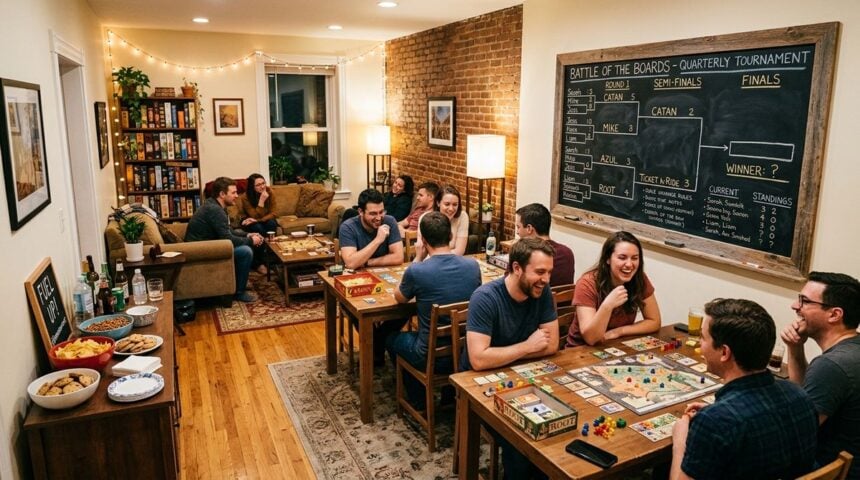
A game night can fill a room quickly, and the energy that makes it fun can also make accidents more likely. Tables crowd together, players lean across boards, and younger guests may wander between groups. Venue operators who plan ahead tend to keep the evening relaxed and enjoyable for everyone. The ideas below are general, practical common sense for shops, cafes, and clubs that host tabletop and video game sessions. They are not legal or insurance guidance, and each business should adapt them to its own premises.
Capacity and Room Layout
Start by deciding how many players the room can hold without making walkways tight or cramped. Leave clear space between tables so people can stand, stretch, and leave without squeezing past chairs. Keep the entrance and any emergency exits free of stock, bags, and extra seating. Position power strips and screens away from walkways, and avoid placing heavy items on shelves above tables. Readers may also want to visit itvnews24.com. Review the layout before each event, because a room that worked last week may feel crowded with a bigger group. Walk the route from the entrance to the exit with a staff member, and note any spot that feels tight.
Setting Clear House Rules for Players
Posted rules help guests understand expectations before the first game begins. Cover basics such as food and drink away from game components, and no running between tables. Explain how to handle disagreements calmly, and ask a staff member to step in when needed. You can also visit news4public.com for more reading. Remind guests that loud voices and sudden movements can startle others, especially in a busy room. Give staff a clear script for gently reminding anyone who ignores the rules. Make sure the script is short and polite, so the reminder feels friendly rather than harsh.
Looking After Younger Guests
Many game nights welcome families, teenagers, and younger players, which is wonderful but requires attention. Decide the minimum age for unaccompanied guests, and display the policy clearly at the door. Keep small parts and loose tokens away from toddlers, and store them in lidded containers after play. Ask a parent or guardian to stay in the venue during sessions for children under an age set by your policy. For a related read on this site, see Checks Before Buying Used Tires for a Daily. Keep a staff member near the game area so quieter children do not become lost in the crowd. Let parents know where that person will be stationed, so they feel confident leaving younger players for a while.
Handling Spills, Dice, and Small Parts
Drinks and snacks are common at game nights, and spills are almost certain to happen eventually. Keep cloths, paper towels, and a bucket within easy reach of the bar and the main tables. Store dice, miniatures, and card sleeves in trays, so small items do not roll across the floor. Sweep the floor at regular intervals, and mark any slippery patch with a sign until it dries. Set up a corner for bags and coats so that pathways stay clear for everyone. Check the floor at the end of each session for dropped components that could trip a guest later. Keep a small box of spare bags for loose pieces that are found under tables.
Managing Crowds at Busy Tournaments
Tournaments bring extra energy, extra noise, and sometimes a surge of spectators. Schedule matches so that the main room never becomes packed beyond its comfortable limit. Assign one staff member to watch the entrance and count guests as they arrive and leave. Keep a clear route for any late arrivals, and avoid blocking the door with a waiting queue. Offer a quiet area for players who need a break, away from the main tables and speakers. Check the room between rounds, and reset the layout if tables have drifted into walkways. Ask the players to help reset tables, since they often notice tight spots before staff do.
Planning Staff Breaks and Handovers
Long events can leave staff tired, and tired staff are less likely to notice small hazards. Build short breaks into the schedule, and arrange cover so the floor is never left unattended. Hold a brief handover between shifts, covering spills, guest concerns, and any equipment issues. Keep a logbook for incidents, and note the time, the people involved, and what action was taken. Encourage every staff member to speak up when a space feels unsafe, without fear of being overruled. Review the logbook each week, and adjust the plan when patterns appear. Share a short summary with the team at the next meeting so everyone learns from it.
Keeping the Fun Safe
A well-run game night feels effortless to guests, even though plenty of planning sits behind it. Clear layouts, sensible rules, and attentive staff let players focus on the game. Taking precautions is simply part of hosting a good evening. Guests remember a relaxed room long after the last game ends.