







Office managers and business owners often ask how to support healthier routines without adding extra meetings or expensive programs. Most people already want to feel better at work, but busy schedules make good intentions hard to keep. Small changes built into the normal day usually last longer than sweeping campaigns. This article offers general information only, and it does not replace medical advice. The aim is to help you build practical habits that suit real offices and real workloads.
Movement breaks protect the body without big changes
Long periods of sitting can leave people stiff, distracted, and less comfortable by the afternoon. Short movement breaks help the body reset, and they can be as simple as a walk to fetch water. Readers may also want to visit businesshotel-navi.com. Encourage staff to stand during phone calls or walk while they talk when the setting allows. Breaks work best when they are normal rather than optional. Make sure that taking a break never feels like falling behind on the work. A culture that accepts movement makes healthier habits feel natural. Managers can lead by example, perhaps by holding a short walking conversation after a long meeting.
Desk setup is a quiet source of strain
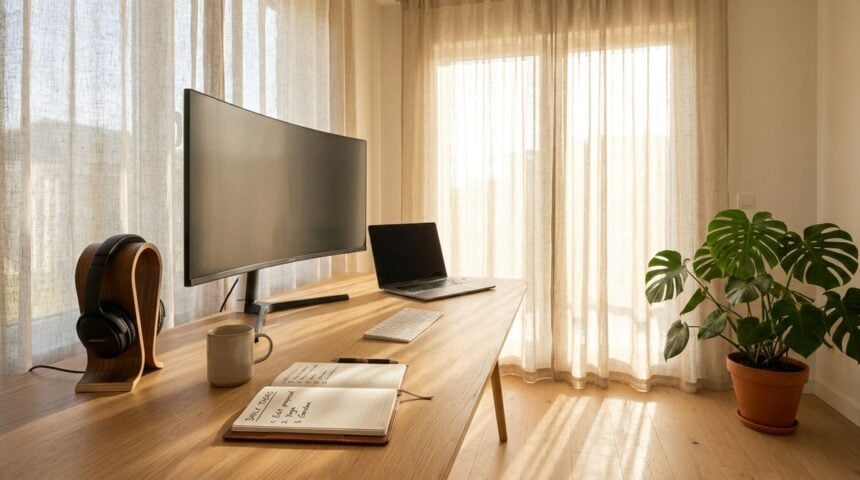
Screens placed too low can push staff into a hunched posture that causes neck and shoulder discomfort. Chairs should support the lower back, and feet should rest comfortably on the floor. You can also visit FiveBPeol for more reading. Keyboards and mice work best when wrists stay relaxed and elbows sit close to the body. Good lighting reduces squinting and keeps eyes more comfortable through long shifts. Simple adjustments cost far less than replacing furniture. A quick check each morning, where staff simply adjust their chair height and monitor position, helps prevent problems from building up over time.
Hydration and lunch routines shape afternoon energy
A water bottle on every desk is a simple reminder that keeps fluid intake steady through the day. Long gaps between meals can lead to sluggish afternoons and poor choices at the vending machine. For a related read on this site, see Keeping Garden Sales Records Clear When Customers Pay. Encourage staff to take a real lunch break away from their screens. Shared fridges and clear labels make it easier to store healthy food. Some offices also rotate responsibility for a weekly fruit tray, which spreads the effort across the team. Small routines add up to steadier focus. Offering water and fruit at meetings is an easy way to show that everyone’s comfort matters, without adding any real expense.
Stress needs a plan that people will actually use
Stress is a normal part of many jobs, but unmanaged pressure can wear down concentration and patience. Offer simple tools such as clear priorities, realistic deadlines, and a quiet room for short resets. Managers can model the behavior they want by taking breaks themselves. Check in with staff when workloads change, and listen for signs of strain. Short one-to-one conversations often reveal problems that a group meeting would never surface. Information about professional support should be easy to find, since some problems need more than workplace changes. A plan works when people can use it without fear of judgment. Confidential support lines and quiet spaces for reflection give people choices that feel private and respectful.
Managers set the tone for healthy habits
Staff notice what leaders do far more than what leaders say in policy documents. A manager who eats lunch at a desk sends a different message than one who steps away. Schedule meetings with breathing room between them so people can move and reset. Recognize teams that keep healthy routines alive, without turning the effort into a competition. Ask staff what would make the day easier and act on at least one suggestion. Thank people for their ideas even when the answer is no, so they keep sharing. Trust grows when people see their feedback change something real. Share the results of each suggestion, including the ones that could not be adopted, so people understand the reasoning behind decisions.
Sleep and screen habits affect focus
Late-night messages and bright screens can shorten sleep and leave people groggy the next morning. Encourage a clear cutoff for work messages in the evening, where the business allows it. Sensible rules about after-hours contact reduce pressure on staff and protect their rest. Screens can also strain the eyes, so short breaks away from the display help. Concentration rises when people start the day rested and organized. Healthy boundaries protect productivity as much as they protect people. Make the policy easy to find, and explain it during onboarding so new staff know what to expect from the first week.
Small habits compound
Healthy routines at work rarely depend on large budgets or elaborate wellness schemes. They grow from ordinary choices such as movement breaks, sensible desks, balanced lunches, and clear boundaries. Over time, those choices make the office feel calmer and more capable. Start with one habit, notice how it feels over a few weeks, and build from there. Consistent effort tends to outlast any single campaign. Celebrate small wins in team meetings, because recognition keeps habits visible and encourages others to join in.