


![Ghostbusters 4: Release Date Confirmed | All You Need to Know! [2022]](https://marketresearchjournals.com/wp-content/uploads/2022/10/MichiganSportsZone.com-59-150x150.jpg "Ghostbusters 4: Release Date Confirmed | All You Need to Know! [2022]")


Rankings Get You Found, Trust Gets You Hired: Why Simplicity Wins in Pest Control
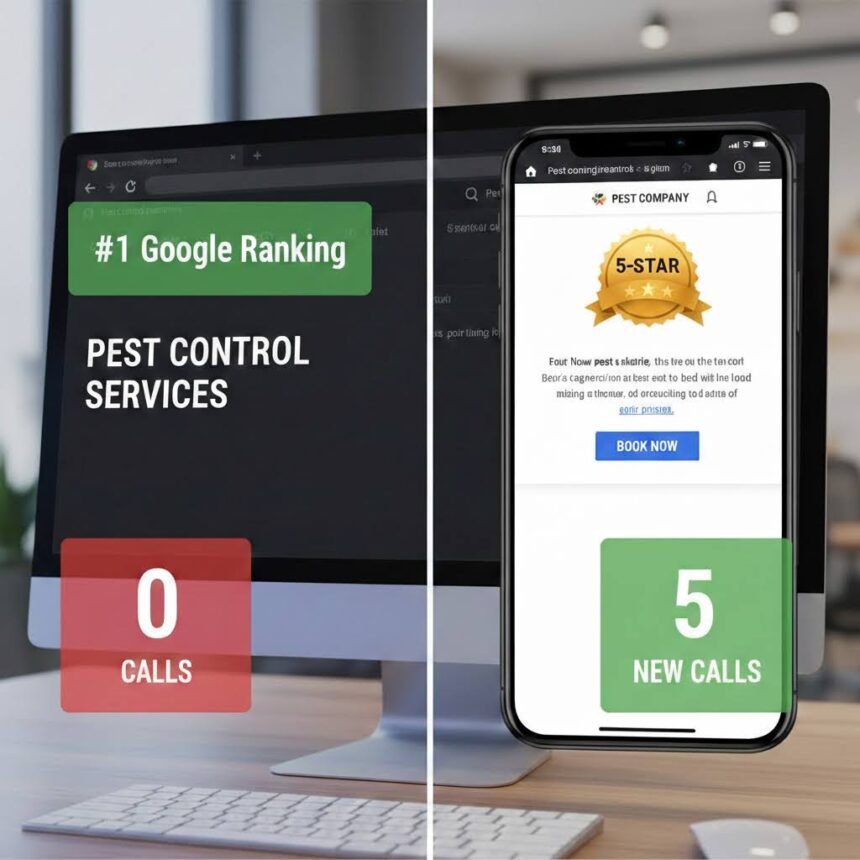
For the last decade, the obsession in pest control marketing has been rankings. Business owners ask, “Am I number one on Google?” Agencies send reports highlighting keyword positions. But rankings are only half the battle. In fact, they are just the invitation to the dance. Once a homeowner clicks through to your website, the ranking becomes irrelevant. Now, the website must quickly establish trust and make the next step obvious. In many cases, these elements matter more to your bottom line than your position in the search results.
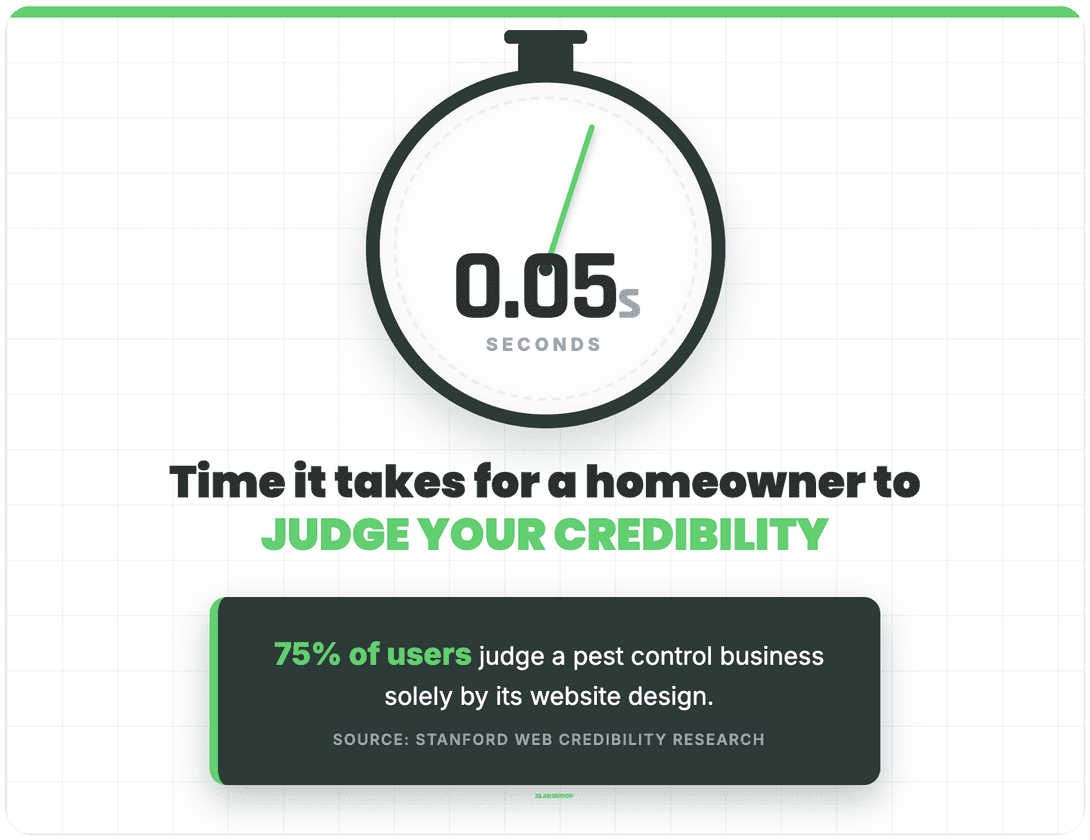
Pest control is a uniquely “trust-sensitive” service. Unlike ordering a pizza or buying a book, hiring an exterminator involves inviting a stranger into the most private areas of a home—bedrooms, kitchens, and crawlspaces—to apply chemicals. This creates high anxiety. Websites that fail to immediately display credibility cues such as reviews, clear service explanations, and local presence increase that anxiety. The result? The homeowner hits the back button, and the #1 ranking yields zero revenue.
The Shift from “SEO-First” to “Trust-First”
This shift is reflected in a recently announced website development service for pest control companies. The launch aligns with a broader industry understanding that ranking well is only the first step. The new standard for success focuses on “conversion architecture”—designing websites not just to catch eyes, but to calm nerves and facilitate action.
Trust signals are most effective when placed at critical decision points. A “Call Now” button is far more effective when placed next to a 5-star Google Review badge. A service page about termite treatments converts better when it includes a photo of a licensed technician rather than a stock photo of a bug. When these elements are missing or buried, hesitation increases.
Data from PwC’s Future of Customer Experience survey indicates that for 73% of all people, customer experience is an important factor in their purchasing decisions. In pest control, “experience” starts the moment the website loads. If the site looks sketchy, the customer assumes the service will be sketchy.
The High Cost of Booking Friction
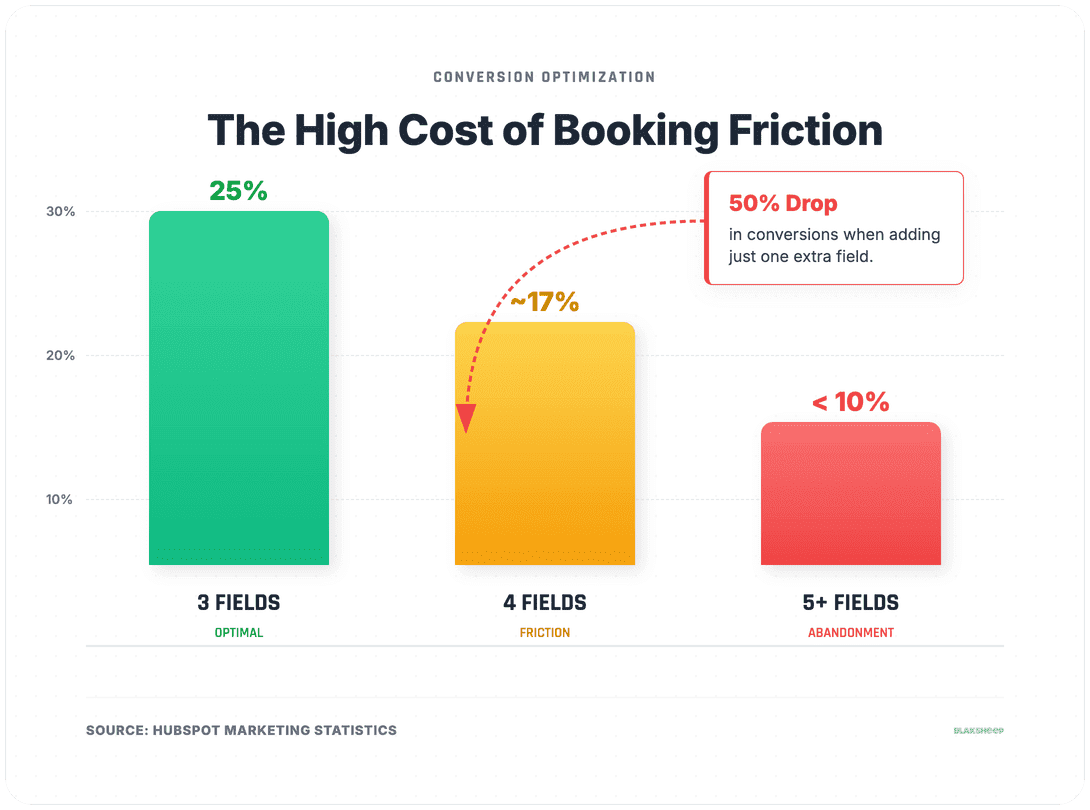
Booking friction compounds the trust problem. Friction is anything that slows the customer down: long forms, vague calls to action, or unclear scheduling processes. In urgent situations—like finding a bed bug—homeowners prefer immediate options such as “tap to call” or short request forms.
Many pest control websites struggle because they were not designed around real decision behavior. They require users to complete 10 separate fields just to request a quote. According to HubSpot research, reducing the number of form fields from four to three can increase conversion rates by nearly 50%. Yet, many pest control sites still ask for “Pest Type,” “Square Footage,” “Best Time to Call,” and “How Did You Hear About Us?” before the customer has even spoken to a human. Every added barrier increases the likelihood of abandonment.
Aligning Design with Homeowner Intent
Some agencies have responded by treating website structure as part of the sales process rather than just a marketing asset. BlakSheep Creative has described this approach as aligning design with homeowner intent. Their strategy involves stripping away the “marketing fluff” and focusing on the three things a distressed homeowner needs:
- Validation: “Are you real and safe?” (Solved by badges, photos, and reviews).
- Clarity: “Do you fix my specific problem?” (Solved by clear service menus).
- Speed: “How do I get you here?” (Solved by sticky call buttons and simple forms).
This approach recognizes that a website is a tool, not an art project. In a crowded local market, the company that is easiest to hire from often wins, even if it isn’t the cheapest or the oldest.
The Invisible Metric: Confidence
Ultimately, the metric that matters most isn’t “Bounce Rate” or “Time on Page.” It is confidence. Does your website reassure homeowners that you will arrive on time, treat their home with respect, and resolve the issue safely?
As competition intensifies and consumer patience declines, pest control companies may find that trust and simplicity outweigh rankings in determining who gets the call. You can buy your way to the top of Google, but you cannot buy trust. You have to build it, pixel by pixel, on your website. Websites that quickly remove doubt and make action effortless are better positioned to capture demand already present in the market.