


![Ghostbusters 4: Release Date Confirmed | All You Need to Know! [2022]](https://marketresearchjournals.com/wp-content/uploads/2022/10/MichiganSportsZone.com-59-150x150.jpg "Ghostbusters 4: Release Date Confirmed | All You Need to Know! [2022]")



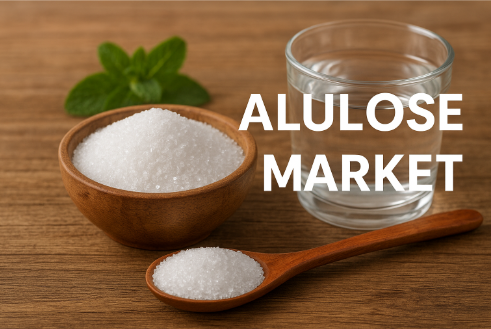
The global Allulose Market is entering a strong growth phase as consumers increasingly shift toward healthier sugar alternatives. With rising awareness around calorie intake, diabetes management, and clean-label food ingredients, allulose has quickly gained traction among food and beverage manufacturers. According to industry estimates, the Allulose Market Size was valued at USD 250.5 million in 2023 and is projected to reach USD 522.1 million by 2032, registering an impressive CAGR of 8.5% from 2024 to 2032.
The rising interest in natural sweeteners and reduced-sugar formulations is significantly shaping the trajectory of the Allulose Market. Manufacturers across beverages, bakery, confectionery, and dairy sectors are reformulating their products to incorporate allulose due to its close resemblance to sucrose in taste and texture, yet offering only a fraction of the calories. This shift aligns with global health trends where consumers prefer functional, low-glycemic, and natural ingredients without compromising flavor.
Growing concerns over obesity and diabetes have also accelerated adoption. Allulose offers nearly 70% of the sweetness of regular sugar with only 0.2 to 0.4 calories per gram, making it one of the lowest-calorie sugars currently approved in the market. Its minimal impact on blood glucose levels and insulin response positions it as a promising ingredient for diabetic-friendly foods. Innovations in food technology, coupled with rising consumer preference for sugar alternatives, continue to expand the commercial applications of allulose and strengthen its acceptance among manufacturers and end users.
Government approvals and regulatory advancements are further fueling market expansion. In multiple regions, allulose has gained recognition as a non-caloric sweetener with a safety profile that supports wide usage. Regulatory authorities acknowledging allulose as a generally recognized safe ingredient has encouraged companies to invest in large-scale production, new product launches, and research to improve extraction and manufacturing processes. These advancements reduce production costs, making allulose more accessible to emerging brands and mainstream food companies.
Market Drivers
The primary driver behind the market’s growth is the increasing demand for reduced-sugar and clean-label products. With a global shift toward healthier consumption habits, consumers are actively seeking alternatives that deliver sweetness without the adverse effects associated with traditional sugars. Allulose fits this need perfectly due to its low-calorie profile, natural origin, and functional versatility.
Another strong driver is the momentum around ketogenic, low-carb, and weight-management diets. Allulose is widely used in keto snacks, protein bars, reduced-sugar beverages, and bakery items. Its excellent browning properties, solubility, and taste similarity to sugar make it an ideal substitute in recipes that require caramelization or texture stability.
Advancements in enzymatic conversion and corn or fruit-based extraction technologies have played a crucial role in scaling production. Improved manufacturing techniques enhance yield efficiency, reduce costs, and increase the availability of allulose for commercial food processing. This technological progress supports broader adoption across large-scale food and beverage companies seeking to reformulate legacy products.
E-commerce expansion and product diversification also contribute to growth. The availability of allulose-based consumer products such as syrups, granulated sweeteners, and blends has made it more accessible to household consumers. As health-conscious buyers increasingly purchase ingredients online, brands offering clean and natural sweetener alternatives are gaining significant market visibility.
Future Outlook
The future of the Allulose Market appears extremely promising as food manufacturers prioritize sugar reduction without compromising product taste or performance. Growing demand for natural, plant-derived, and diabetic-friendly ingredients is expected to continue driving the adoption of allulose across global markets. Increased R&D investments will lead to more innovative applications, particularly in beverages, dairy alternatives, sports nutrition, and functional foods.
With regulatory bodies continuing to support the use of allulose and ongoing improvements in extraction technologies, the ingredient will become more cost-effective and widely available. This is likely to encourage new market players, expand production capacity, and accelerate partnerships between raw material suppliers and food companies. Consumer trends suggest that reduced-sugar products will dominate future food launches, and allulose will remain central to these reformulation strategies.
Conclusion
The Allulose Market is on a steady growth path, driven by rising health awareness, regulatory support, and technological advancements that enhance production efficiency. As consumers increasingly seek healthier and natural sugar substitutes, allulose stands out due to its functional advantages, low-calorie profile, and clean-label appeal. With its significant potential across beverages, bakery, snacks, and functional foods, the market is well-positioned to achieve its projected valuation of USD 522.1 million by 2032. Companies investing in innovation, production scaling, and product diversification will be well-placed to capitalize on the expanding demand for allulose globally.
FAQs
- What is the CAGR of the Allulose Market?
The market is growing at a CAGR of 8.5% from 2024 to 2032. - What is the forecast period for the Allulose Market?
The forecast period is 2024–2032, with the market expected to reach USD 522.1 million by 2032.
3. Which region is expected to see strong growth in the coming years?
Strong growth is anticipated in regions with rising demand for low-calorie and natural sweeteners, supported by expanding food and beverage innovation.